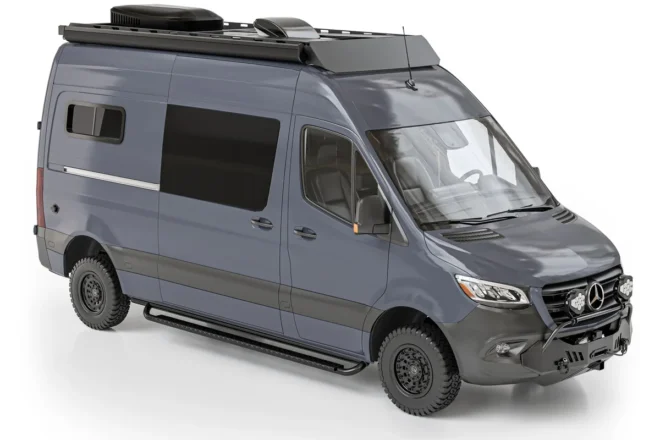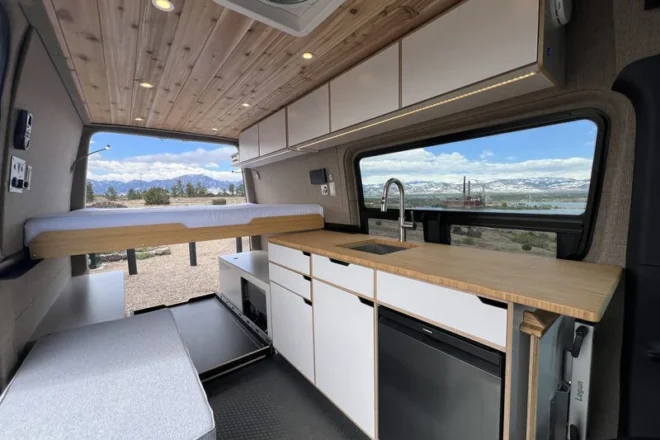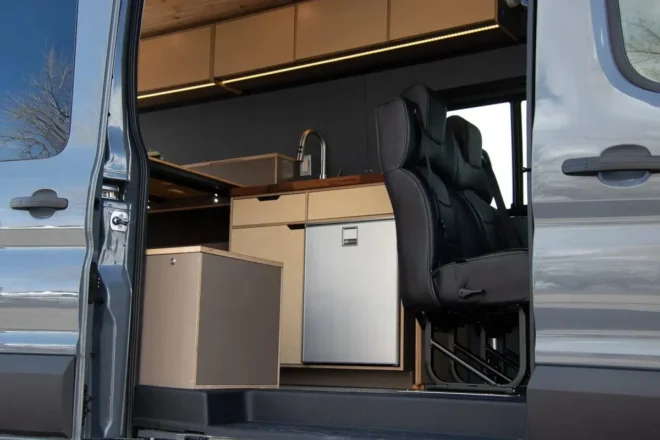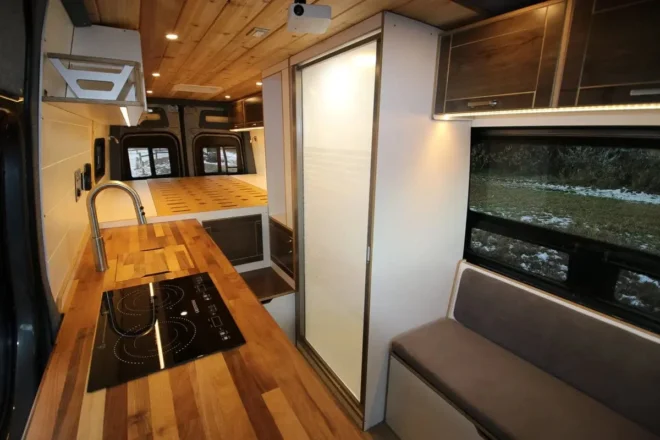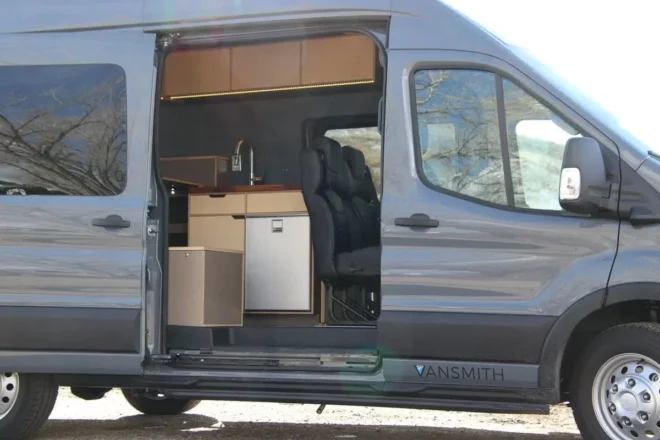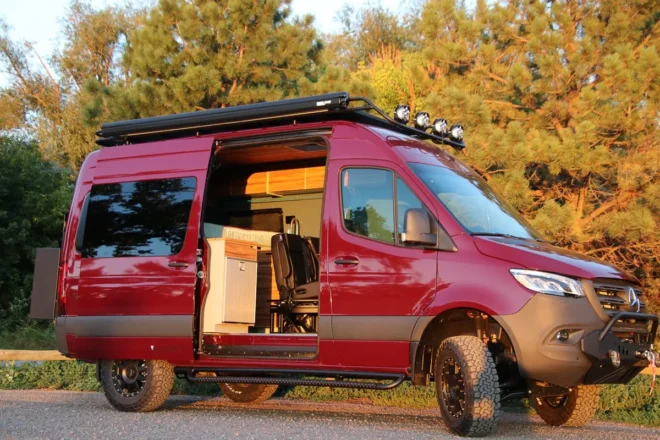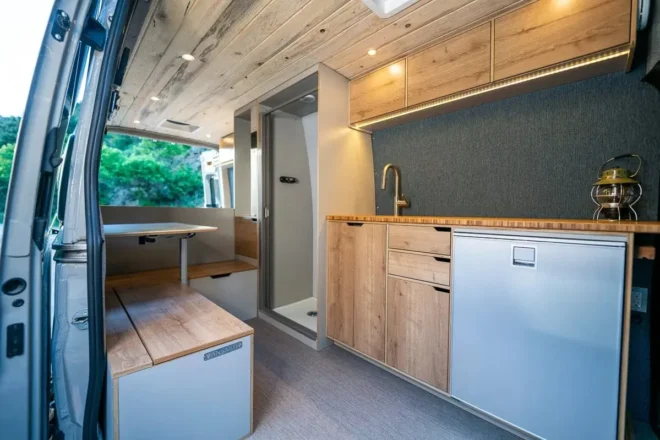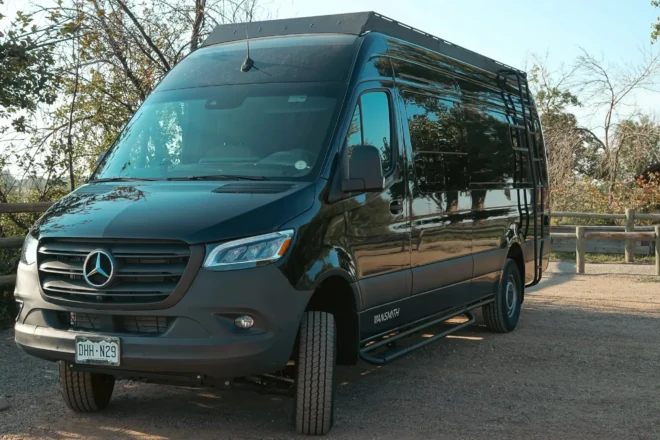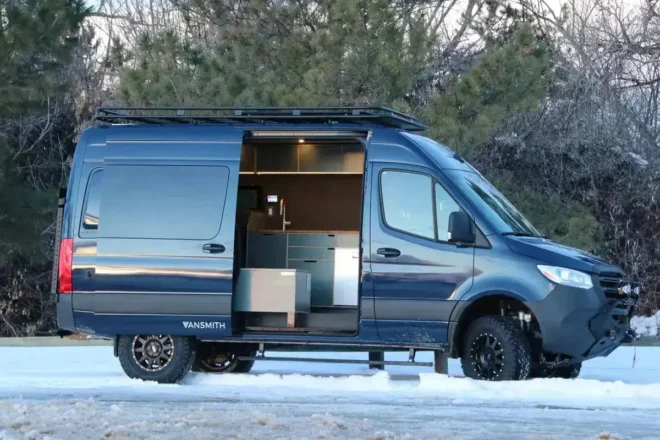
Sprinter Bivy Plus
$145,845


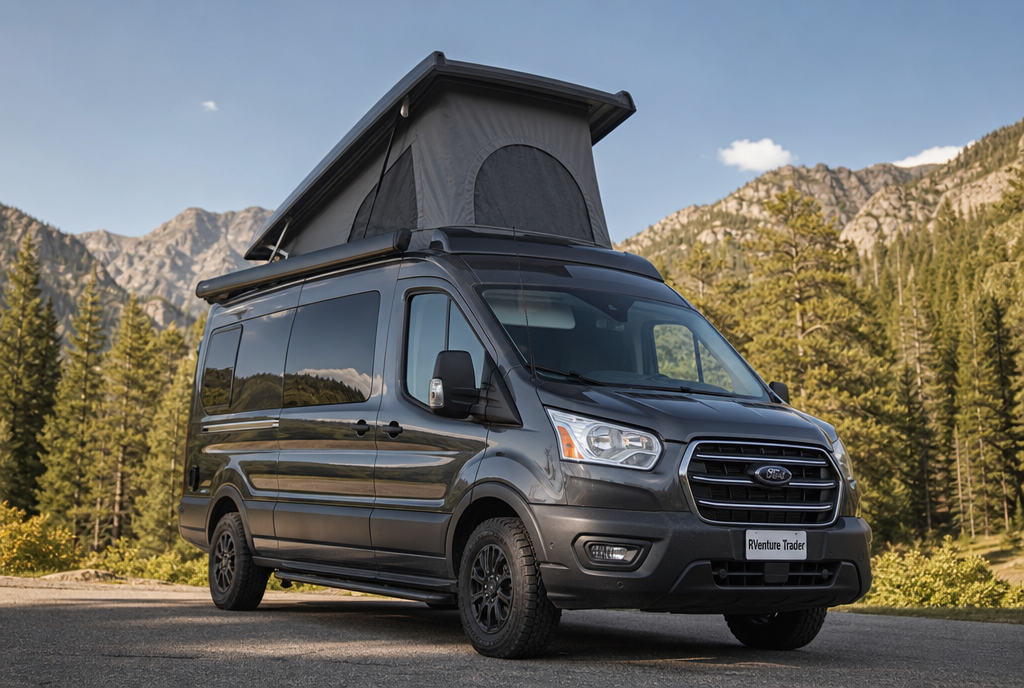
If you have been searching for pop top campervans for sale, you already know what most buyers eventually discover: a fixed-roof van trades livability for a lower profile. A pop top solves that compromise. You get a van that drives like a standard height vehicle on the road, then opens into a full standing interior the moment you stop. Whether you are upgrading from a cramped conversion or buying your first pop top van for sale, this category delivers a level of comfort that fixed-roof builds simply cannot match at the same footprint.
RVenture Trader connects buyers directly with quality-built camper vans with pop up roof and pre-converted listings across the country. Browse verified inventory, compare layouts, and find the right build for how you actually travel.
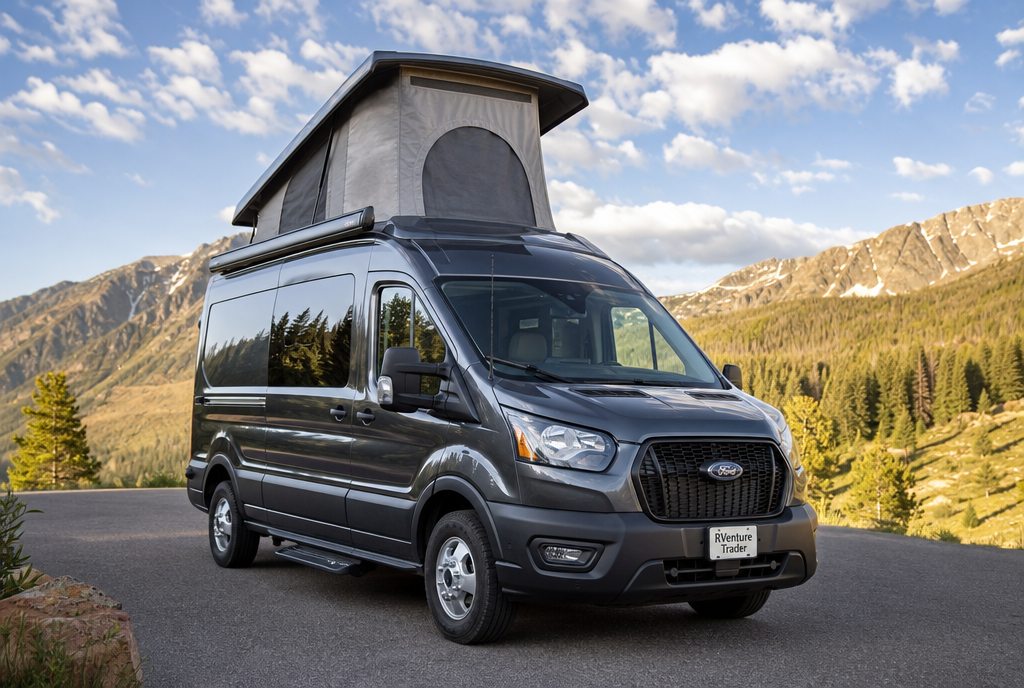
The appeal of a pop top van for sale goes beyond extra headroom. It changes how you use the van, how long you can comfortably stay in it, and who can realistically travel in it. Here is what buyers consistently cite as the deciding factors:
If you are also evaluating fixed-roof options, the full camper van inventory on RVenture Trader covers both roof styles across multiple makes and configurations.
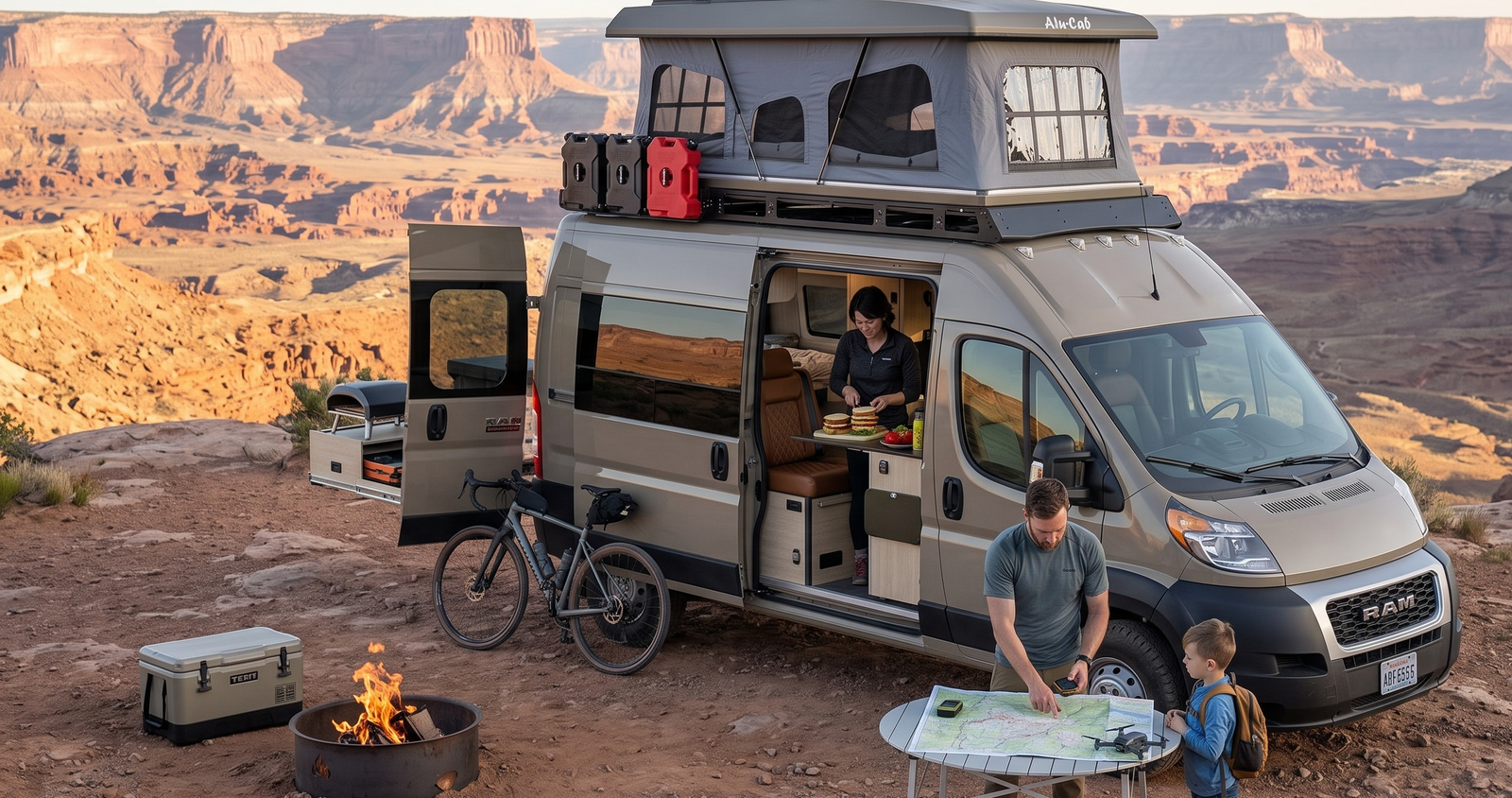
Not every pop top campervan for sale is built the same way. The mechanism, material, and integration quality vary considerably between builds. Understanding the differences helps you evaluate listings more confidently before you reach out to a seller.
Scroll right to see full table →
| Base Van | Wheelbase Options | Pop Top Compatibility | Best For |
|---|---|---|---|
| Mercedes Sprinter | Standard & Extended | High — wide range of aftermarket options | Long-distance travel, full-time van life |
| Ford Transit | Standard & Extended | High — growing builder ecosystem | Couples, part-time travelers, families |
| Volkswagen Transporter | Standard | Very High — legacy pop top market | Weekend trips, urban living, minimalist builds |
| Ram ProMaster | Standard & Extended | Moderate — fewer specialty builders | Budget-conscious buyers, cargo-first builds |
| Dodge Grand Caravan / Chrysler Minivan | Standard | Low — custom fabrication required | Family-specific custom builds |
Pop top Sprinter builds remain the most actively traded on the market. If that is your preferred base vehicle, browse Sprinter vans for sale on RVenture Trader to compare current inventory and pricing across build styles.
Transit-based pop tops are gaining ground rapidly thanks to competitive pricing from builders and wider parts availability. Check available Transit vans for sale for builds with pop top configurations already installed and ready to travel.
Prices for a pop top van for sale vary significantly based on the base vehicle age, mileage, build quality, and whether the pop top is a factory-integrated design or a professional aftermarket installation. Here is a realistic breakdown for buyers entering the market:
Scroll right to see full table →
| Build Tier | Typical Price Range | What You Get |
|---|---|---|
| Entry-Level / Older Build | $18,000 – $35,000 | Older base van, basic canvas pop top, minimal amenities, DIY or early conversion |
| Mid-Range Professional Build | $45,000 – $75,000 | 2016–2020 base van, hard shell or quality canvas pop top, functional kitchen and solar setup |
| High-End Conversion | $80,000 – $130,000+ | Newer pop top Sprinter for sale or Transit, premium cabinetry, electric pop top, lithium battery system, full sleeping loft |
If your budget aligns with the upper range and comfort is a priority, it is worth reviewing luxury camper vans where several high-specification pop top builds are listed alongside other premium configurations.
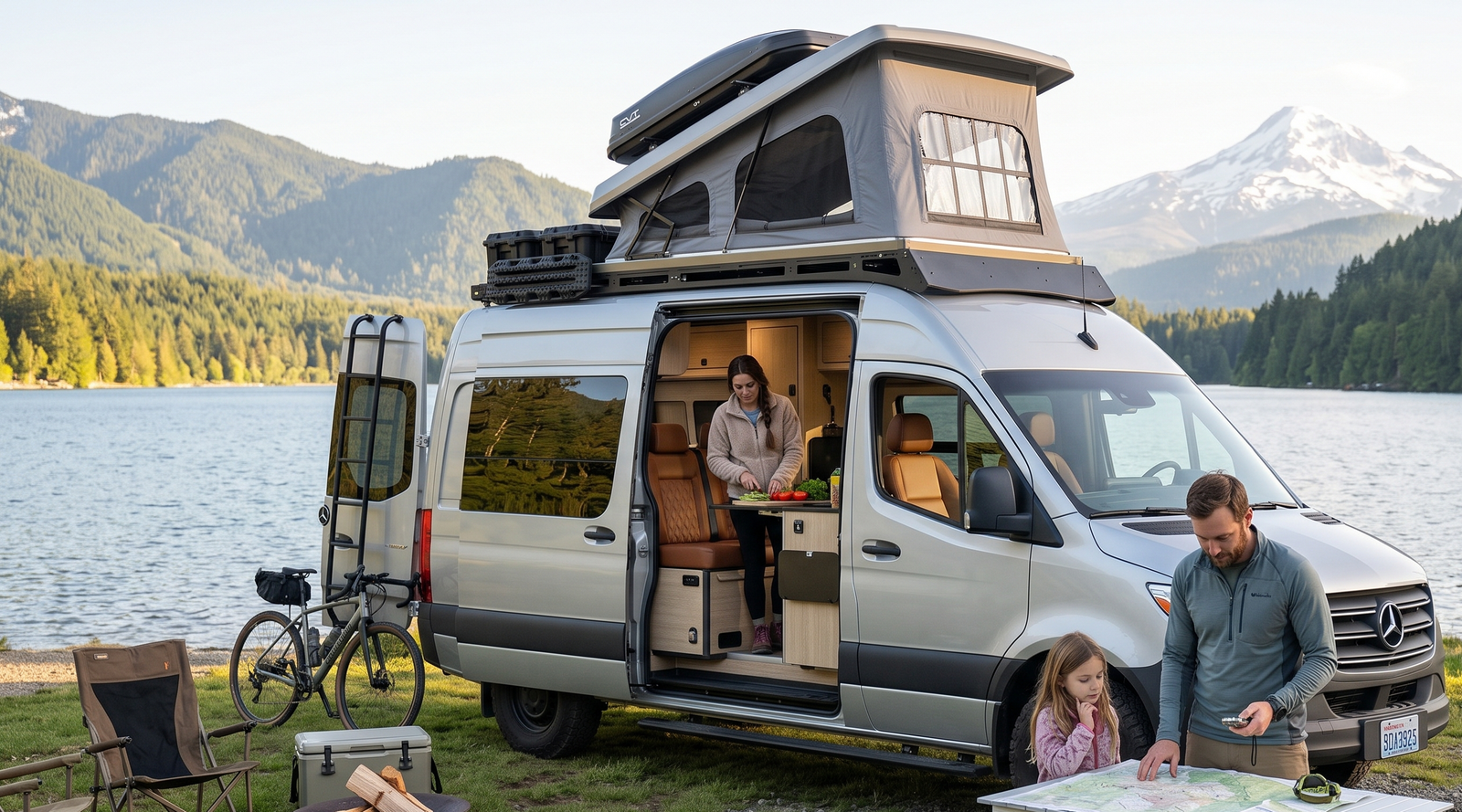
A pop top van for sale is arguably the most efficient layout for one or two people. The sleeping loft takes care of one zone, the main floor handles living and cooking, and nothing feels cramped. Buyers in this category should also look at camper vans specifically built for couples to find listings optimized for that exact use case.
The loft sleeping area in a camper van with pop up roof is particularly useful for families where adults sleep on the main platform and children sleep above. If you need dedicated capacity for four people, filtering through camper van for family options will surface pop top builds designed with that layout in mind.
For buyers who live and work from the road, a pop top Sprinter for sale with a proper electrical system, workspace setup, and reliable ventilation covers every daily need without the bulk of a high-roof build. Browse mobile office vans on RVenture Trader for builds that combine pop top comfort with a dedicated workspace configuration.
Generic listing platforms mix camper vans in with cargo vans, work trucks, and unrelated vehicles. RVenture Trader is built specifically for the conversion van market, which means every listing you browse here is relevant, categorized, and described with the information buyers actually need.
These answers are written for buyers comparing options and making purchasing decisions, not for general research.
A high-roof van has a permanently raised roof that adds height at all times, including while driving. A camper van with pop up roof has a roof section that sits at standard height during travel and raises when parked. The practical difference is that a pop top van fits in low-clearance garages, parking structures, and ferry vehicle decks that a high-roof van cannot. On the road, a pop top is more aerodynamic and typically returns slightly better fuel economy. Inside camp, both provide similar standing room, though high-roof vans may feel marginally more open because the ceiling is fixed and uninterrupted.
A camper van with pop up roof typically costs $5,000 to $15,000 more than a comparable high-roof conversion at the same base vehicle age and build quality. At the entry level, you can find older pop top campervans for sale starting around $18,000 to $25,000. Professional mid-range builds generally fall between $45,000 and $75,000. High-specification builds with electric pop tops and lithium electrical systems often exceed $100,000.
Quality pop top vans for sale using hard fiberglass shells with properly installed seals perform well in rain, cold, and wind when the top is lowered. When raised, canvas-sided pop tops provide moderate weather protection but are less suitable for heavy rain or very cold climates compared to a hard shell. Hard-sided pop tops with insulated panels and quality rubber seals are built for four-season use. When evaluating a listing, ask specifically about seal condition, insulation type in the pop top section, and any history of leaks.
The Mercedes Sprinter and Ford Transit are the most widely converted base vans for pop top builds. A pop top Sprinter for sale has the largest builder ecosystem and longest history of pop top conversions, making parts and service more accessible. The Transit is typically priced lower and has strong aftermarket support from North American builders. Volkswagen Transporter models are popular for compact pop top builds but offer significantly less interior floor space. Focusing on Sprinter and Transit-based listings gives you the widest selection and best resale market.
The roof structure is the most critical inspection area on any pop top campervan for sale. Check the perimeter seals for cracking, hardening, or gaps. Inspect the interior of the roof section for any water staining, which indicates past or current leaks. Test the lift mechanism fully — raise and lower the top multiple times to confirm it operates smoothly. On canvas tops, examine the fabric for tears, mold, and UV degradation. Beyond the pop top itself, standard used vehicle due diligence applies: service history, rust inspection on the undercarriage, and an independent mechanical inspection before finalizing the purchase.
Yes, though comfort depends heavily on the specific build. Most pop top campervans for sale include a sleeping loft in the raised roof section that accommodates one or two smaller adults or children, and a main-floor sleeping platform for one or two adults. Four-person layouts work best in extended wheelbase builds on Sprinter or Transit platforms. If sleeping capacity for four is a firm requirement, browse camper vans for family of 4 to find pop top builds specifically configured for that capacity.