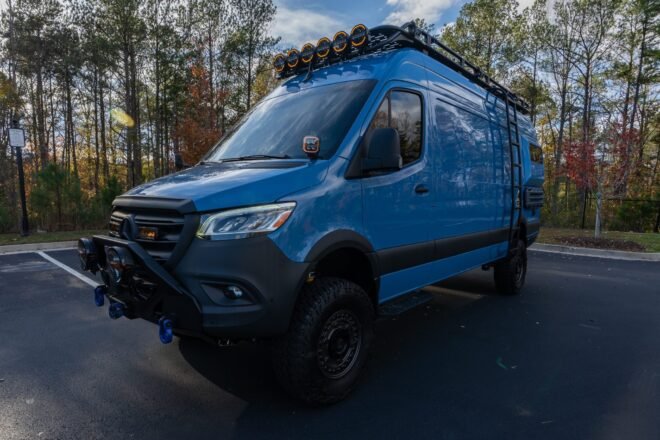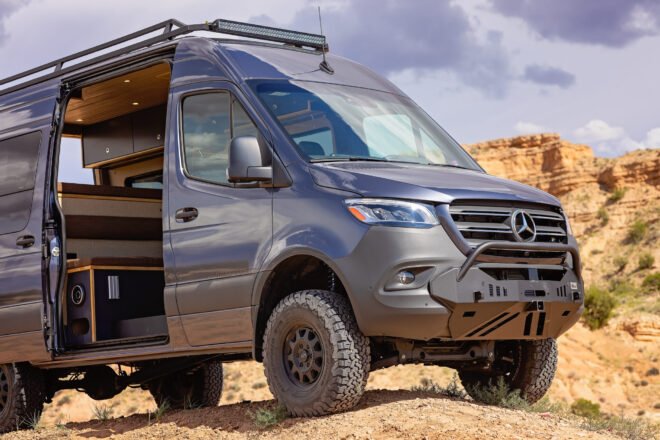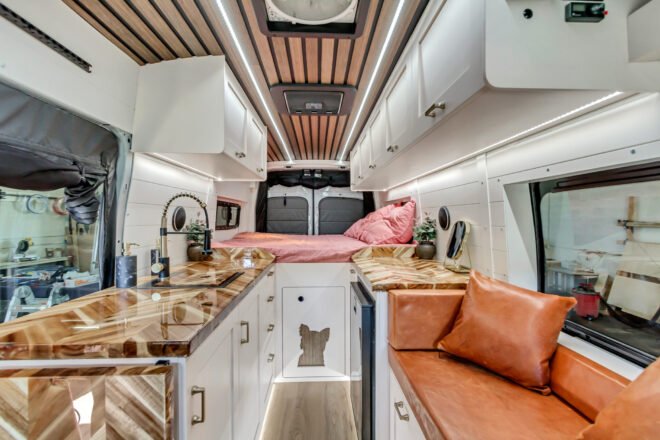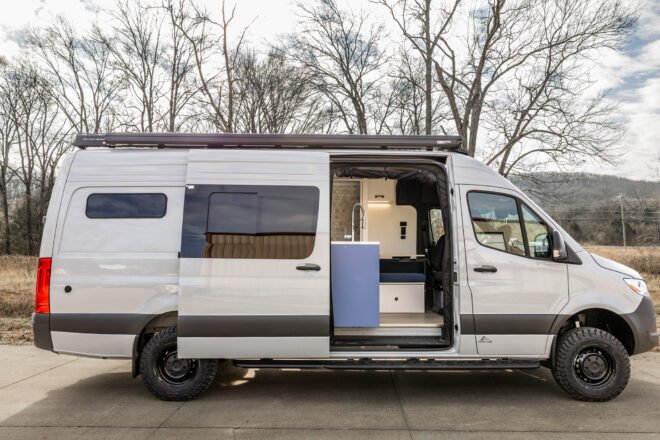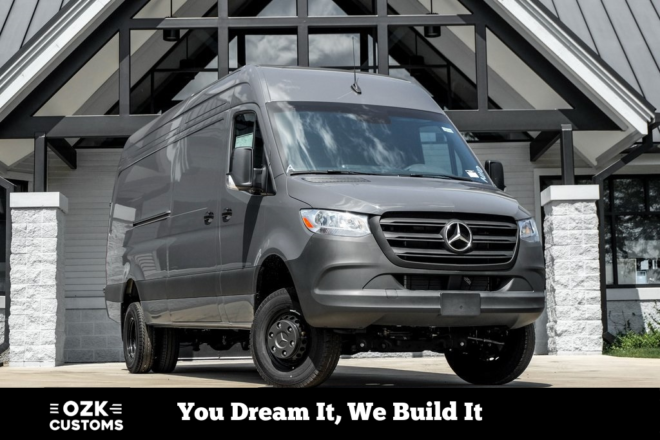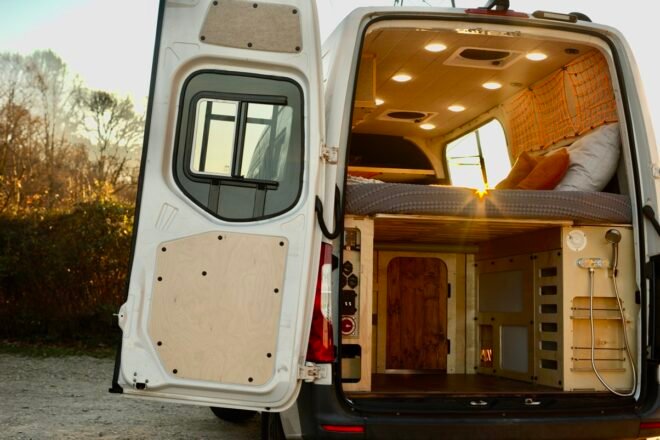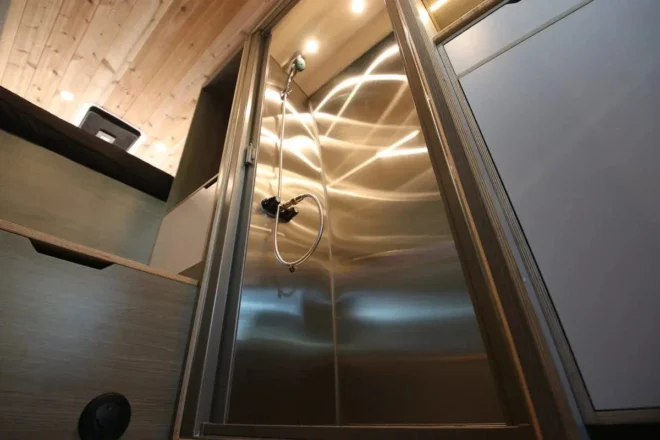
Mercedes-Benz Sprinter Duo S
$122,950


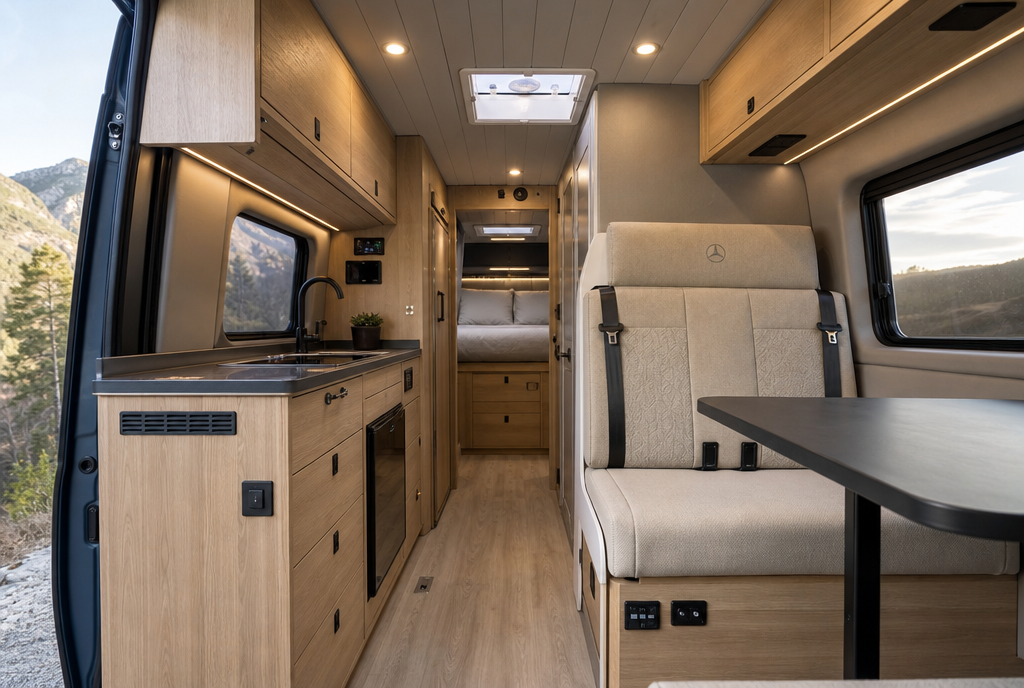
Demand for eco friendly vans has grown sharply as more buyers prioritize sustainability alongside functionality. Whether you are looking for a solar-powered daily driver, a fully off-grid eco camper van, or a low-emission build designed for long-term travel, RVenture Trader connects you directly with verified listings that meet a genuine green standard — not just surface-level marketing claims.
Every eco friendly van conversion on this platform is listed with full system details so you can evaluate energy sources, build materials, and efficiency specs before ever contacting a seller. Browse current inventory and compare builds side by side without the noise of unrelated listings.
The term gets used loosely in van listings, so it is worth being specific. A genuinely environmentally friendly camper van typically meets several criteria across its energy system, construction materials, and operational footprint. Here is what separates true green builds from vans that simply have a solar panel bolted to the roof:
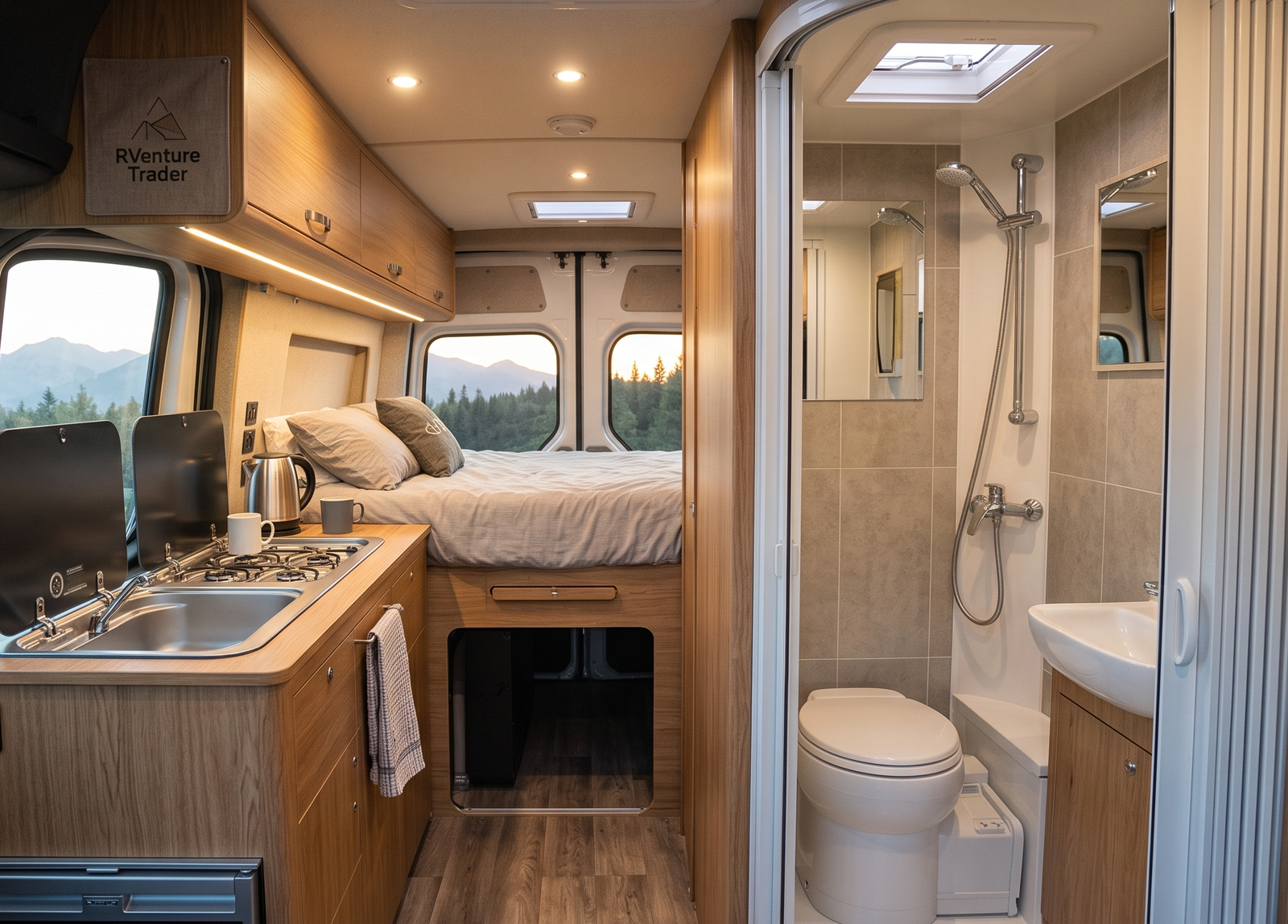
The core of any green energy van conversion is its electrical architecture. Look for:
A responsible sustainable van conversion goes beyond the power system. Look for cabinetry made from recycled or FSC-certified wood, low-VOC finishes, natural insulation materials such as sheep wool or recycled denim, and non-toxic adhesives throughout the interior. These choices reduce both indoor air quality issues and long-term environmental impact.
The base vehicle matters. Diesel Sprinters and Transits with modern emissions compliance, hybrid platforms, and electric van chassis conversions all carry a meaningfully lower carbon footprint over time compared to older, less efficient base vehicles. Some clean energy van conversions are now being built on fully electric platforms, eliminating tailpipe emissions entirely.
Use this reference when evaluating green conversion vans by their energy setup. Not all solar builds are equivalent — system size and battery chemistry make a significant difference in real-world performance:
Scroll right to see full table →
| Power System Type | Off-Grid Capability | Best Use Case | Typical Cost Add-On |
|---|---|---|---|
| Basic Solar + AGM Battery | Low (1–2 days) | Weekend trips with limited power needs | $1,500 – $4,000 |
| Mid-Range Solar + Lithium Battery | Medium (3–5 days) | Extended travel, couples, moderate appliance use | $5,000 – $10,000 |
| High-Capacity Solar Array + LiFePO4 | High (7+ days) | Full-time living, remote travel, heavy appliance load | $10,000 – $20,000 |
| Electric Van Platform Conversion | Full (grid-free operation) | Zero-emission daily driving and short trips | $20,000 – $50,000+ |
| Hybrid Solar + Generator Backup | Medium-High (5–7 days) | Mixed travel, areas with limited sun exposure | $8,000 – $15,000 |
Buyers focused on minimizing environmental impact while maximizing range should prioritize high-capacity lithium systems. For those also wanting premium interiors alongside a green build, browsing high-end camper van conversions on RVenture Trader will surface builds that combine sustainable systems with upscale finishes.
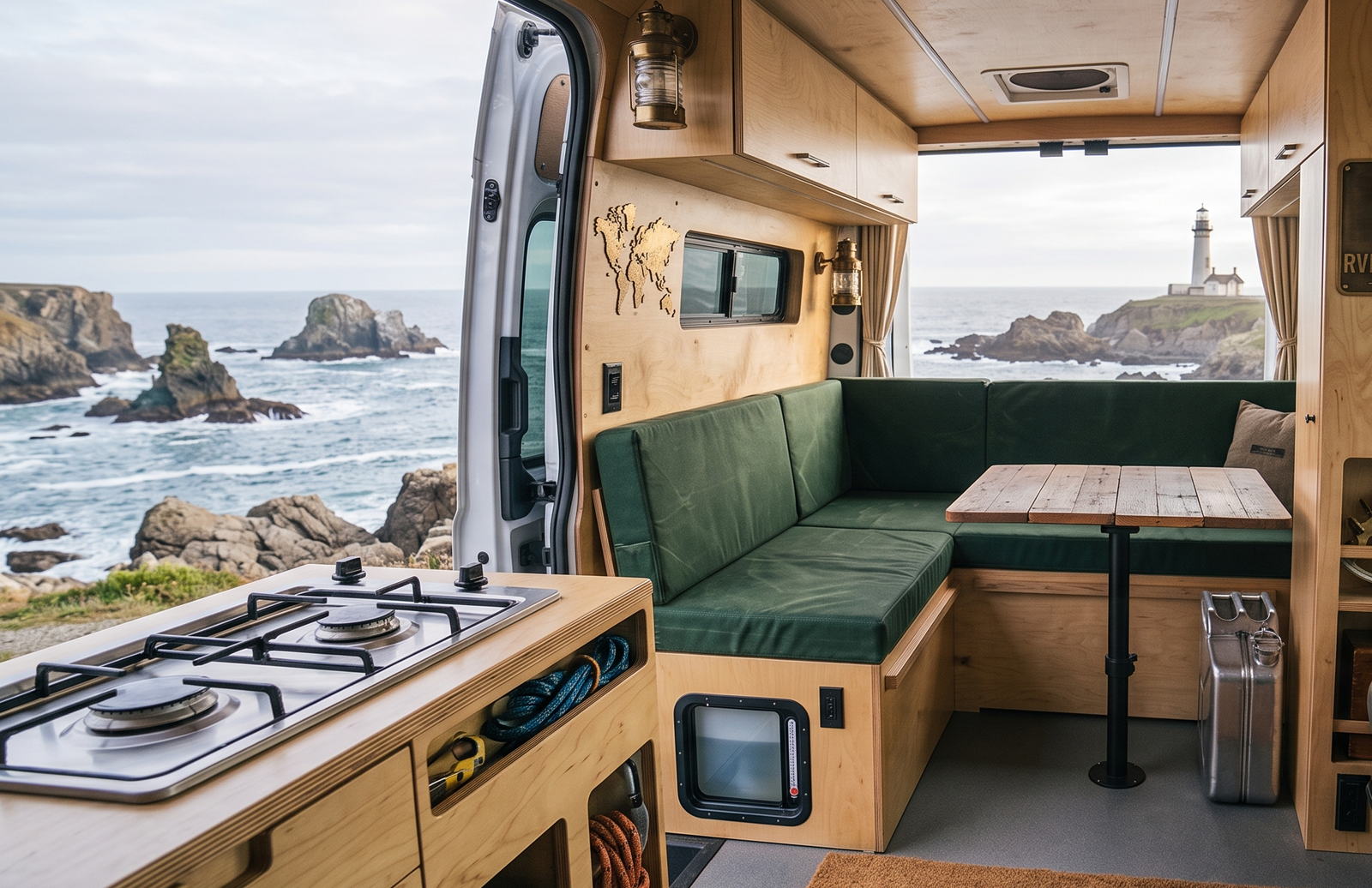
The eco van inventory on RVenture Trader spans a wide range of chassis types, conversion styles, and system configurations. Here is what you will find across active listings:
The Sprinter remains the most popular platform for serious eco camper van builds. Its high roof, long wheelbase option, and robust diesel efficiency make it a strong candidate for solar-heavy builds with large battery banks. Converters working with Sprinters often have more ceiling space for larger solar arrays and more floor space for battery storage under cabinetry. View available Sprinter builds currently listed to compare eco-spec options.
Ford Transit conversions with solar and lithium setups are increasingly common in the eco van space, often coming in at a lower entry price than comparable Sprinter builds. Their wider body creates extra room for practical sustainable layouts. Explore Transit van listings on RVenture Trader to find green builds across multiple price points.
More interior length means more room for expanded battery banks, larger solar roof coverage, and sustainable insulation layers. Long wheelbase van conversions are the practical choice for buyers who want maximum off-grid self-sufficiency without compromising on living space or system capacity.

Beyond environmental values, eco conversion vans offer concrete practical advantages over conventionally powered builds:
If your travel includes working on the road, a green camper van with a strong electrical system also makes a natural platform for a mobile office setup — powering laptops, monitors, and networking equipment entirely from solar without needing a campsite connection.
General vehicle marketplaces treat an eco friendly camper van the same as any used car listing — no filtering for power systems, no detail on insulation type, no way to distinguish a genuine green build from one with a single 100W panel stuck on the roof. RVenture Trader is built for van buyers, which means the platform filters and categories are actually useful when shopping for sustainability-focused builds.
Whether you are a first-time buyer stepping into van life or an experienced traveler upgrading to a cleaner system, explore the full range of camper vans available on RVenture Trader and use the eco filter to narrow down exactly what fits your values and your budget.
A genuinely eco-friendly van goes beyond a single solar panel. It typically features a properly sized solar array, a lithium battery bank, sustainable build materials with low environmental impact, and a base vehicle with strong emissions performance. Builds that use natural insulation, low-VOC finishes, and are designed to operate independently of shore power represent the higher end of what eco conversion means in practice.
Eco builds typically carry a price premium of $5,000 to $25,000 over a comparable standard conversion, depending on the quality and capacity of the solar and battery system. A mid-range eco van with 400W of solar and a lithium battery bank usually starts around $65,000 to $90,000. High-end sustainable builds with full off-grid capability and premium interiors can reach $120,000 and above. The long-term savings on fuel and hookup fees often offset the upfront difference over time.
Both platforms work well for eco builds. The Sprinter's high-roof option provides more ceiling surface for solar panels, and its diesel efficiency supports longer range between refuels. The Transit tends to be more affordable and has a wider interior, which gives builders more flexibility for battery placement and sustainable material installation. Your choice should depend on budget, intended use, and the size of system you need. Both chassis types have active eco-spec listings on RVenture Trader.
Yes, a well-designed system can. A 400W to 800W solar setup paired with a 200Ah to 400Ah lithium battery bank can comfortably run a 12V compressor fridge, lighting, phone and laptop charging, a diesel heater fan, and a water pump for multiple days without sunlight. High-draw appliances like induction cooktops and air conditioners require significantly larger battery capacity but are achievable in purpose-built full-time eco rigs.
Yes. Long wheelbase eco builds on Sprinter and Transit platforms can be configured for four occupants while still accommodating a full solar and lithium power system. Family-spec eco builds typically include larger battery banks to support the higher power demand of multiple devices, better ventilation systems, and more efficient use of interior space. Look for builds with bunk configurations and flexible seating if traveling with children.
Before purchasing, request documentation on the solar panels including brand, wattage, and age. Verify the battery brand, chemistry, and total usable capacity. Test the system under load to confirm it performs as advertised. Check insulation type and condition for any signs of moisture retention. Inspect all wiring for quality and safety compliance, and confirm the inverter and charge controller ratings match the stated system specifications. A pre-purchase inspection by a qualified van electrician or conversion specialist is strongly recommended.