
 souvik
The Complete Guide to Stealth Camping in Your Van
By the RVenture Trader team · Updated June 2026 · 10 min read
Stealth camping is the art of parking and sleeping in your van overnight in an urban area without being noticed. Done right, it lets you skip campground fees, wake up in the middle of a city, and travel with total flexibility. This stealth camping guide covers where to park, how to stay legal and safe, what makes a good stealth van, and the habits that keep you off everyone’s radar.
Quick answer: Stealth camping works best when three things line up — your van looks ordinary, overnight parking is actually allowed where you stop, and your behavior stays low-key. Arrive late, leave early, blend in with other parked vehicles, and never leave a trace.
What Is Stealth Camping?
Stealth camping means sleeping in your vehicle in a populated area that isn’t a designated campsite — a residential street, a parking lot, an industrial block — while drawing as little attention as possible. It’s different from boondocking or dispersed camping, which happens out in nature on public land. The shared goal is the same: a safe, undisturbed night’s sleep without “the knock” from police or security at 3 a.m.
Is Stealth Camping Legal?
Short answer: it depends on where you are. There’s no federal law against sleeping in your vehicle, but the rules on overnight parking and car-sleeping are set by states, counties and individual cities — and they vary enormously. One town allows overnight street parking with no issue; the next strictly prohibits it.
What Makes a Good Stealth Van?
Your level of “stealth” depends heavily on your rig. The most effective stealth campers look exactly like ordinary parked work vehicles. When choosing or building one, aim for:
- A plain exterior — solid panels, few or no windows, no loud graphics.
- Nothing mounted outside — visible roof vents, high-profile solar, awnings, bike racks and ladders all signal “someone lives here.”
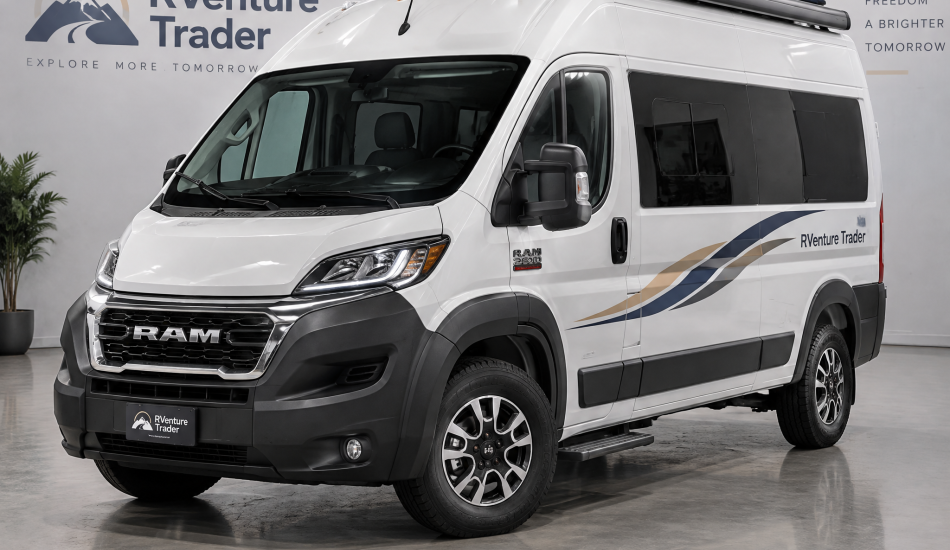
- A neutral, clean look — a tidy white or grey cargo van blends into almost any street.
- A cab you can reach fast — being able to slip into the driver’s seat and leave is a real safety advantage vans have over towables and big RVs.
This is why plain cargo and work vans are the classic stealth choice — most people assume they’re just a contractor’s vehicle parked for the night. Mobile office vans read the same way, and a nimble short-wheelbase van fits a normal parking space without standing out.
Best Places to Stealth Camp
Good spots are places where a parked van simply doesn’t look out of place. Always confirm overnight parking is allowed first.
| Location | Why it works | Watch out for |
|---|---|---|
| Quiet residential streets | Lots of cars already parked overnight; you blend in | HOAs, permit zones, “locals only” areas |
| Industrial / commercial areas | Work vans look normal; fewer residents to notice | Gated lots, security patrols |
| 24-hour businesses & some Walmarts | Lots stay active; some allow overnight stays | Policy varies by store — call ahead |
| Casinos (NV, AZ, etc.) | Large, well-lit lots; often 24/7 amenities | Confirm overnight RV/van policy |
| Hotel parking lots | Mixed vehicles; late arrivals look normal | Don’t block guests; be discreet |
| Big-chain stores & rest stops | Designed for transient parking | Time limits; not all rest areas allow sleeping |
The Golden Rules of Stealth Camping
- Arrive late, leave early. The less time you’re parked, the less you’re noticed. Roll in after dark and be gone before people leave for work.
- Change locations often. The same van in the same spot night after night draws complaints. Move on.
- Blend in. Park where there are already several vehicles. Never be the only car on an empty street, and never park directly in front of someone’s house.
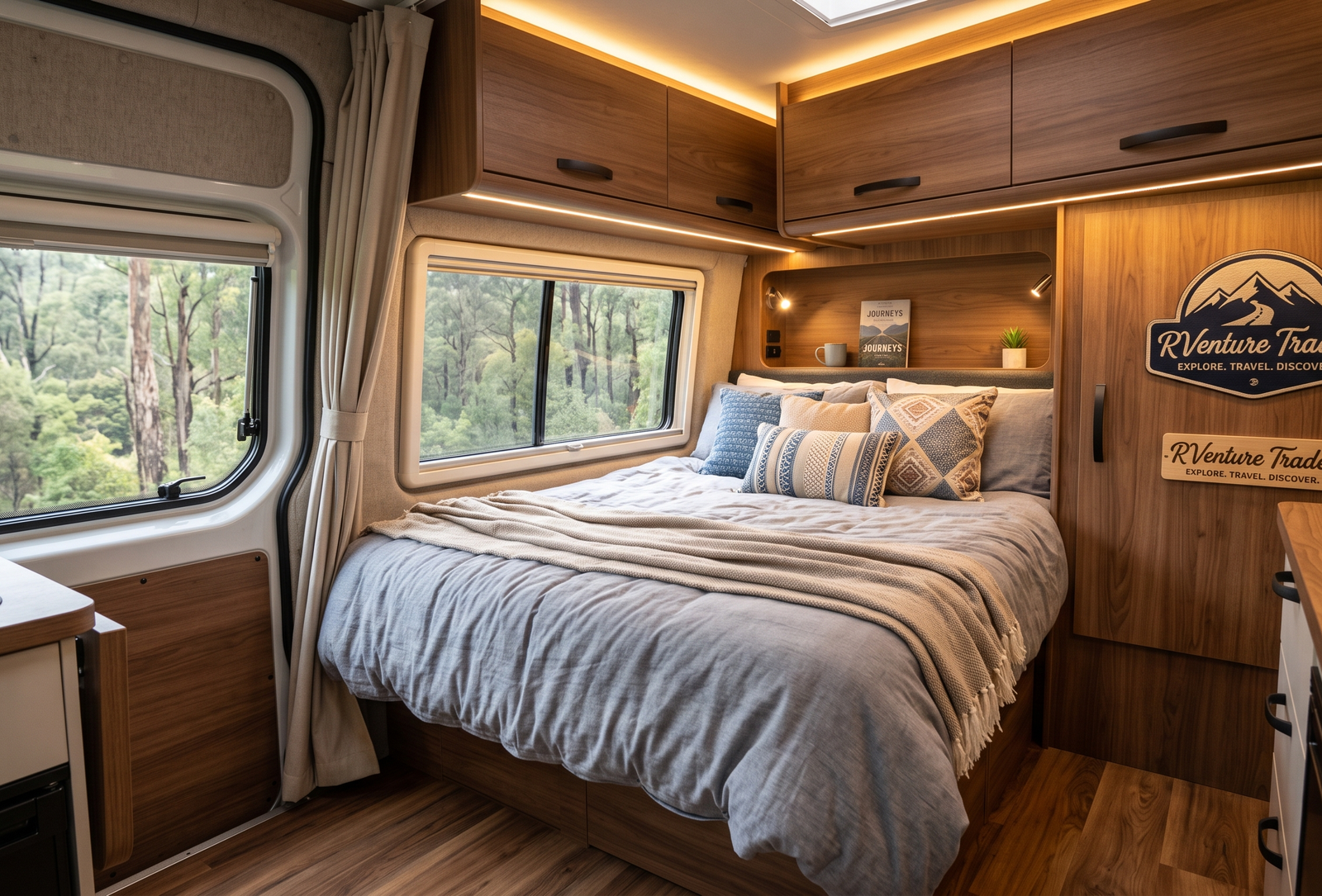
- Keep the cab clear. No bedding, dishes or gear visible through the windows. Use blackout covers and keep the front looking like a normal vehicle.
- Stay quiet and dark. Minimal lights, low voices, no running generator. Don’t “set up camp” — no chairs, no awning, no cooking outside.
- Leave no trace. No trash, ever. One messy camper gets the “no overnight parking” signs installed for everyone.
Staying Safe While Stealth Camping
Comfort matters, but safety comes first:
- Sleep with your head away from the street so you’re better protected if a vehicle hits the van.
- Trust your gut. If a spot feels wrong, leave — it costs nothing to move.
- Keep your keys within reach so you can drive off immediately if needed.
- If you’re solo on public land, carry a satellite communicator (such as a Garmin inReach) for areas without cell signal.
- Be aware that marginalized travelers can face more scrutiny; choose spots and timing accordingly.
Apps That Find Legal Overnight Parking
You don’t have to guess. These tools crowdsource overnight spots, reviews and amenities:
- iOverlander — community-mapped camping, parking and services worldwide.
- The Dyrt — campgrounds plus free and dispersed options.
- AllStays Camp & RV — overnight-friendly lots, rest stops and store locations.
- Google Maps — scout streets and lots with satellite and Street View before you arrive.
Stealth Camping vs. Boondocking
If you’re not tied to a city, nature is usually the better night. Boondocking on public land is more private, quieter and just as free — it simply requires more self-sufficiency (water, power, waste). Many travelers stealth camp only when they need to be in town and head for open land the rest of the time. An efficient, eco-friendly van with solar makes both styles easier.
Looking for a Van That Blends In Anywhere?
Browse plain, low-profile cargo and work vans on RVenture Trader — the kind of rigs that disappear on a city street. Compare builds, specs and prices from verified sellers.
Frequently Asked Questions
Is stealth camping legal?
There’s no federal law against sleeping in your vehicle, but overnight-parking rules are set by states, counties and cities and vary widely. Stealth camping often sits in a legal gray area, so always check posted signs and local ordinances first.
What is the best van for stealth camping?
A plain, high-roof cargo van that looks like a work vehicle — a Sprinter, Transit or ProMaster with few windows and nothing mounted outside. The goal is to look ordinary, not like a camper.
Where can you stealth camp overnight?
Quiet residential streets where overnight parking is allowed, industrial areas, some 24-hour businesses and casinos, and certain hotel lots. Always confirm overnight parking is permitted.
How do you stealth camp without getting caught?
Arrive late, leave early, change locations often, keep the cab clear of gear, stay quiet, and park where you blend in with other vehicles. Avoid upscale neighborhoods and never leave trash behind.
Keep reading: What Is a Class B RV? · Camper Van Shower Options · Work Vans for Sale