
 souvik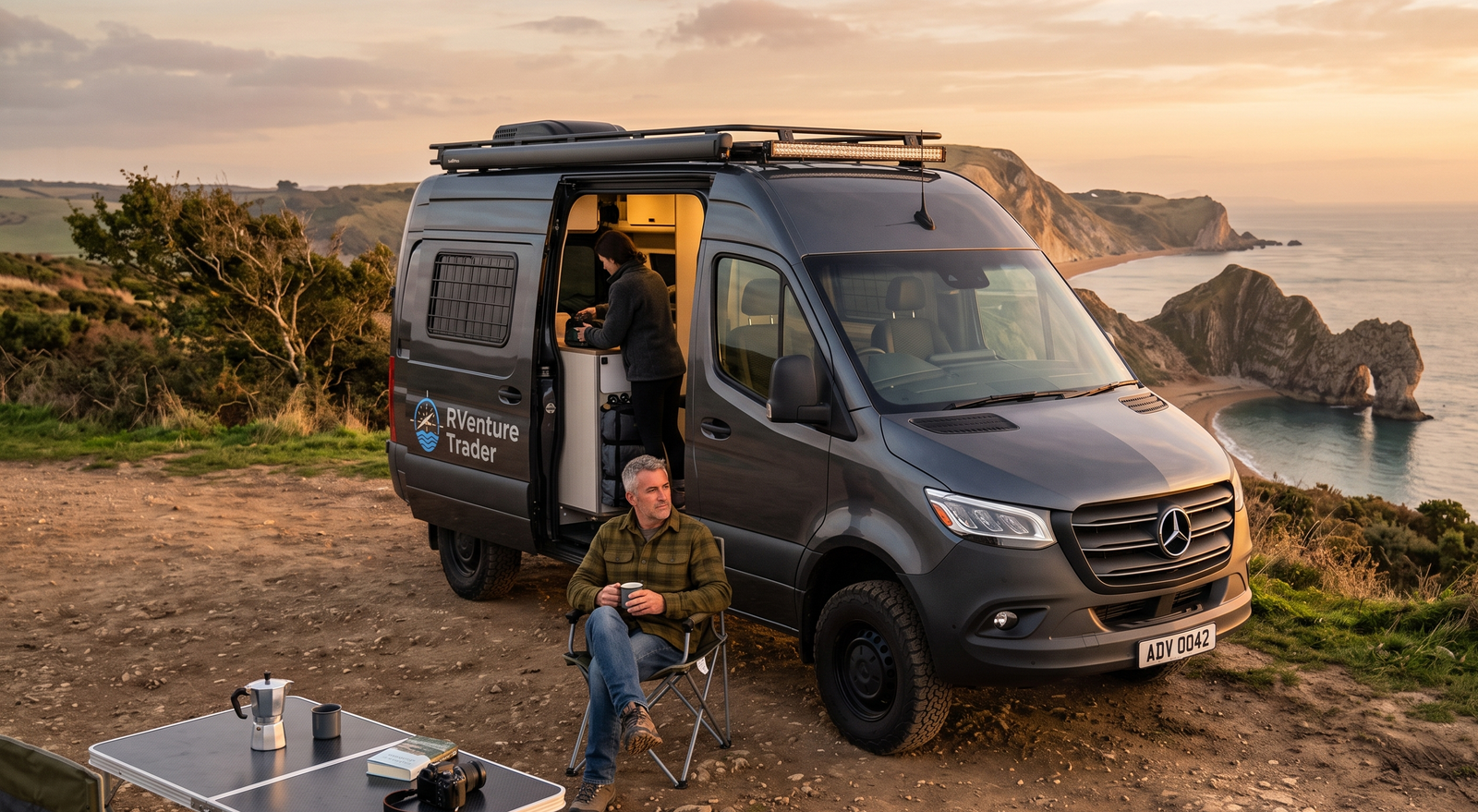
Class B RV Explained: The Camper Van Motorhome Buyer’s Guide
By the RVenture Trader team · Updated June 2026 · 9 min read
If you’ve shopped for a motorhome, you’ve seen the term “Class B” — and probably wondered how it’s different from a regular camper van. The short version: it’s the same thing. This guide explains exactly what a Class B RV is, what’s inside one, how it compares to Class A and Class C, and who should buy one.
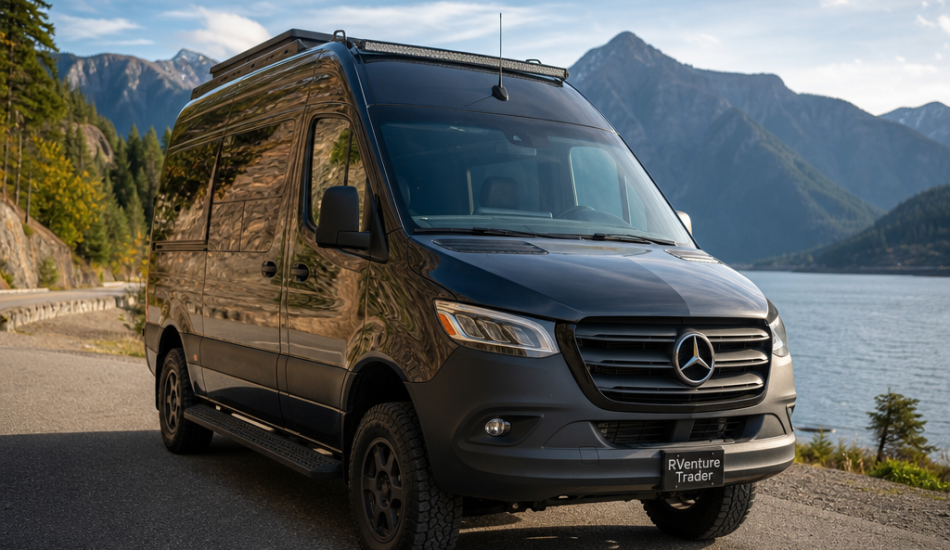
Quick answer: A Class B RV is the smallest type of motorhome — a van converted into a self-contained living space with a bed, kitchenette and usually a small bathroom, all inside the original van body. Commonly called a camper van or Sprinter van, it’s typically built on a Mercedes-Benz Sprinter, Ford Transit or Ram ProMaster chassis and runs about 18–25 feet long.
Why Is It Called a “Class B” RV?
Motorized RVs are grouped into three classes — A, B and C — based on how they’re built, not how big they feel. The letters can be confusing because Class B is actually the smallest of the three. The defining trait of a Class B is that it keeps the original van shell: builders add living features inside the existing body rather than constructing a wider box on top of a chassis. You’ll also hear them called camper vans, B-vans, Sprinter vans or conversion vans.
What’s Inside a Class B RV?
Despite the compact footprint, a well-designed Class B packs in the essentials of a home on wheels:
- Sleeping — a fixed or convertible bed; some add a pop-top roof for extra berths.
- Kitchenette — sink, cooktop, fridge and counter space.
- Bathroom — often a compact wet bath with a toilet and shower (see our guide to a camper van with a bathroom).
- Electrical system — house batteries, often with solar; Class B builds frequently lead the industry on battery and charging tech.
- Water — fresh and grey tanks sized to the van.
Amenities vary widely by chassis, builder and budget, from minimalist weekend rigs to fully loaded luxury camper vans.
Common Class B RV Chassis
Almost every Class B is built on one of three vans. The base vehicle shapes the size, drivetrain and feel:
| Chassis | Known for | Browse |
|---|---|---|
| Mercedes-Benz Sprinter | Diesel efficiency, AWD/4×4 options, tall interior, premium resale | Sprinter long-wheelbase vans |
| Ford Transit | AWD availability, gas engine, strong value, wide service network | Transit short-wheelbase vans |
| Ram ProMaster | Wide, boxy body that’s easy to build out; front-wheel drive | camper vans for sale |
Class A vs. Class B vs. Class C RV
Here’s how the three motorhome classes stack up at a glance:
| Class A | Class B | Class C | |
|---|---|---|---|
| Build | Large bus-style coach | Original van body (camper van) | Cutaway chassis with a box + over-cab bed |
| Length | ~25–45 ft | ~18–25 ft | ~21–33 ft |
| Sleeps | 4–10+ | 1–4 | 4–8 |
| Drives like | A bus | A large van / SUV | A heavy-duty truck |
| Best for | Luxury & big groups | Solo travelers & couples | Families |
The headline difference between a Class B and a Class C: a Class B keeps the van’s original silhouette and is the easiest motorhome to drive and park, while a Class C adds a wider living area and the signature cab-over bunk for more sleeping space.
Class B RV Pros and Cons
Pros
- Easiest motorhome to drive, park and store
- Best fuel economy of any motorhome class
- Goes where bigger RVs can’t — tight roads, BLM land, backcountry
- Ideal for stealth camping and everyday driving
- Strong resale value, especially diesel Sprinters
Cons
- Limited living space and sleeping capacity
- Smaller water tanks and storage
- Wet baths can feel cramped for full-timers
- High cost per square foot
- Few external storage compartments
Who Is a Class B RV Best For?
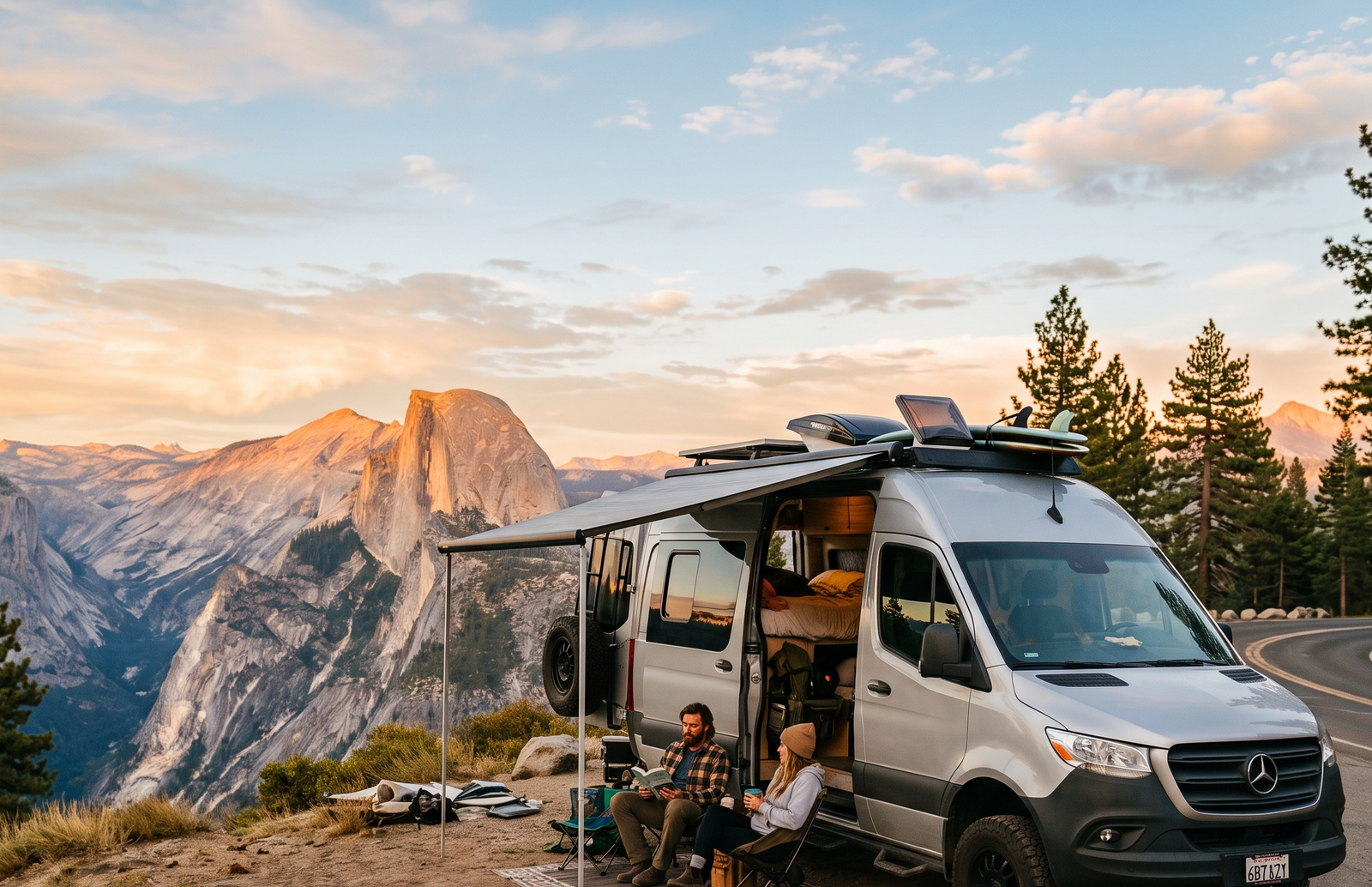
A Class B is the right call if you value mobility and access over raw floor space. It suits:
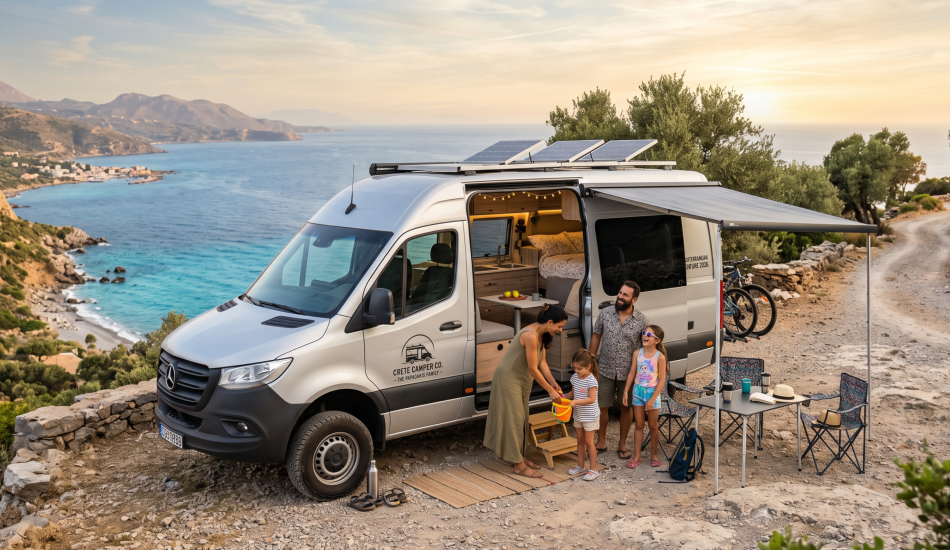
- Solo travelers and couples who want to move often and park anywhere — start with camper vans for couples.
- Remote workers and weekenders who need a nimble base camp.
- Adventure travelers chasing trailheads, surf and off-grid spots.
- Small families open to a pop-top or convertible layout — see camper vans for a family of 4.
If you regularly travel with a larger family or want to spread out at full-hookup campgrounds, a Class C deserves a look instead.
Do You Need a Special License to Drive One?
No. Class B RVs typically weigh 5,000–8,000 pounds — well under the 26,000-pound threshold that triggers special licensing — so a standard U.S. driver’s license is valid in all 50 states. That ease of driving is one of the biggest reasons first-time buyers gravitate to Class B.
How Much Does a Class B RV Cost?
Pricing spans a wide range depending on chassis, drivetrain, build quality and whether it’s new or used. Professionally built conversions and premium diesel Sprinters command the most, while value-focused Transit and ProMaster builds and quality used vans cost considerably less. Because Class B vans tend to hold their value — and long-term financing is widely available — monthly costs are often more manageable than the sticker suggests. The best way to gauge real pricing is to compare current listings side by side.
Ready to Explore Class B RVs for Sale?
Browse verified Class B camper vans on RVenture Trader — compare Sprinter, Transit and ProMaster builds by drivetrain, price and features, and connect directly with sellers.

Frequently Asked Questions
What is a Class B RV?
A Class B RV is the smallest motorhome — a van converted into a self-contained living space with a bed, kitchenette and usually a small bathroom inside the original van body. It’s commonly called a camper van and is built on a Sprinter, Transit or ProMaster chassis, around 18–25 feet long.
What is the difference between a Class B and Class C RV?
A Class B keeps the van’s original body and is the most compact, maneuverable motorhome. A Class C is larger, built on a cutaway chassis with a wider living box and a cab-over bed. Class B suits solo travelers and couples; Class C suits families.
Do you need a special license to drive a Class B RV?
No. They weigh about 5,000–8,000 pounds, under the 26,000-pound threshold, so a standard U.S. driver’s license works in all 50 states.
How many people can a Class B RV sleep?
Most sleep one or two comfortably. A pop-top roof or convertible dinette can extend that to four, making some models workable for couples or a small family.
Keep reading: Camper Van With a Bathroom · Camper Van Shower Options · Stealth Camping Guide