

 souvik
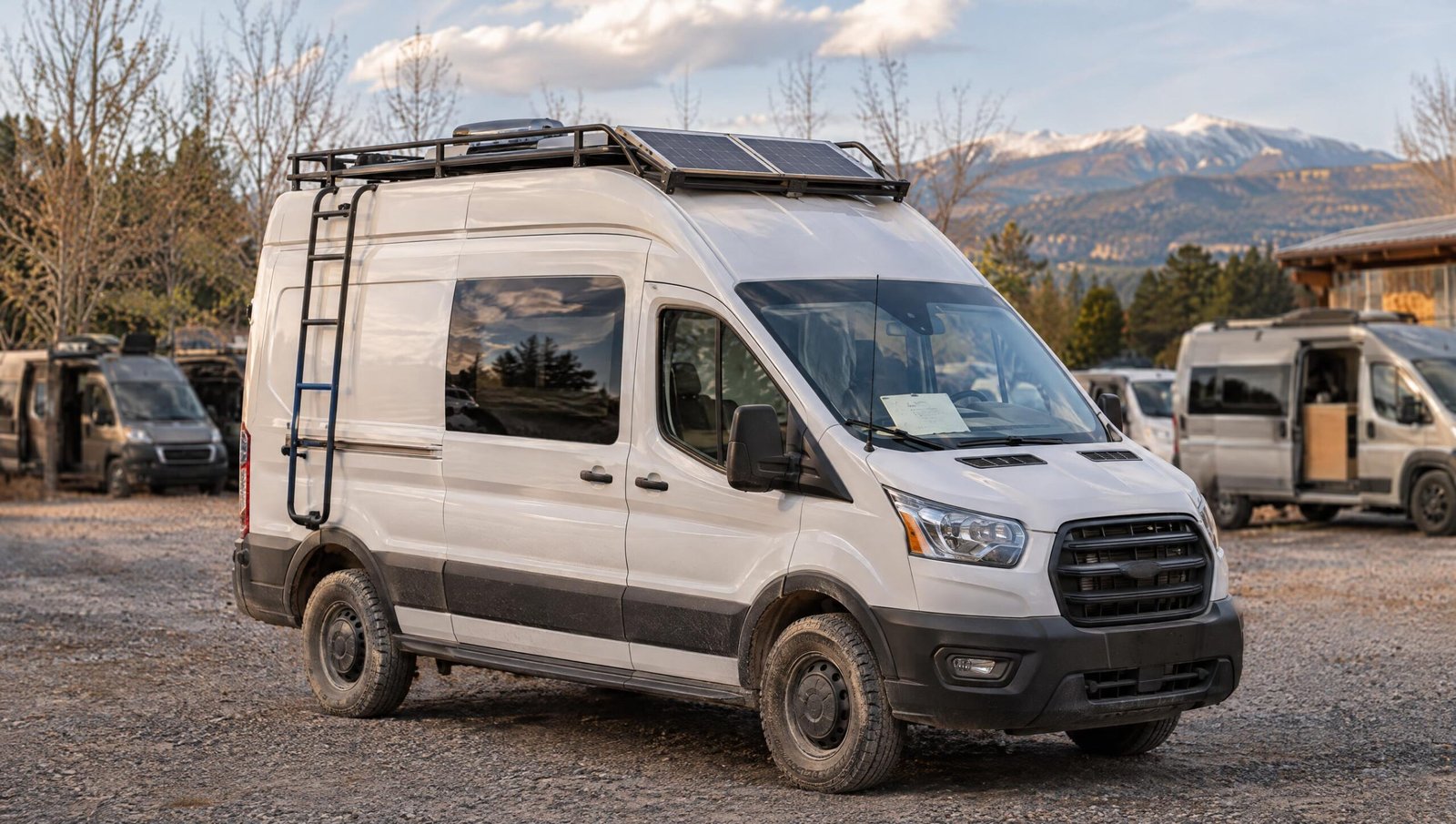
Do Camper Vans Hold Their Value? Resale and Depreciation Explained (2026)
By the RVenture Trader team
Short answer: Yes, better than most RVs. Camper vans hold their value more strongly than Class A motorhomes, Class C rigs or travel trailers because they are easier to drive, park and resell. Expect a new van to lose the most in its first two to three years, then flatten out. Chassis, mileage, builder reputation and service records decide the rest.
Nobody buys a camper van as an investment, and anyone who tells you otherwise is selling one. Still, the gap between a van that loses a quarter of its price in three years and one that loses half is tens of thousands of dollars. It deserves an hour of thought before you sign.
How Fast Do Camper Vans Depreciate?
Every vehicle drops hardest at the start. A camper van is two assets bolted together, though: a commercial van chassis and a small house. They age differently. The chassis follows mileage. The house follows care, taste and workmanship.
The table below is a rough guide for a professionally built van in good condition with average miles. Treat it as a range, not a quote. Individual vans land well outside it in both directions.
| Age of van | Typical share of original price retained | What drives the number |
|---|---|---|
| 1 year | 80–90% | Initial drop, still under warranty |
| 3 years | 65–80% | Mileage and build condition start to matter |
| 5 years | 55–70% | Battery age, chassis service history |
| 8 years | 40–55% | Layout trends, rust, electronics |
| 10+ years | 30–45% | Mostly condition and records |
For current book values, J.D. Power’s vehicle valuation tools are a reasonable starting point. They struggle with custom builds, which is why comparable live listings usually tell you more. Our camper van cost breakdown shows what the market looks like right now.
Which Camper Vans Hold Value Best?
A few patterns show up clearly in listings.
- Diesel Sprinters with documented service. High purchase price, strong demand on the used side. See the Sprinter camper vans for sale for a sense of asking prices by year.
- AWD and 4×4 vans. Buyers in mountain states pay for traction, even when they rarely need it.
- Known builders. A build plate from an established shop is worth real money, because buyers trust the wiring they cannot see.
- Neutral, practical layouts. A fixed bed, a real galley and garage storage appeal to almost everyone.
- Lithium power and a diesel or gasoline air heater. These are now expected. Lead-acid systems and no heat are bargaining chips for the buyer.
Ford Transits and Ram ProMasters cost less to buy, so the dollar loss is often smaller even when the percentage is similar. That is a point people miss. Our Sprinter vs Transit vs ProMaster comparison goes deeper on running costs.
What Kills Resale Value
Here is what we see drag prices down, sometimes sharply.
- A DIY build with no documentation. Not all home builds are bad. Many are excellent. A buyer simply cannot tell without wiring diagrams, component lists and photos of the work in progress.
- Water damage. A stained ceiling panel near the fan scares buyers more than 40,000 extra miles.
- Very personal design choices. The bright teal cabinets you love shrink your buyer pool.
- Open recalls and skipped service. Run the VIN through the NHTSA recall lookup before you list. Buyers will.
- Rust on the chassis. Underbody photos sell northern vans. Hiding the underside does the opposite.
- Title problems. A van still titled as a cargo van, or a salvage title, limits both financing and insurance for the next owner.
A pattern worth knowing
Sellers often anchor on what they spent. A van bought for $45,000 with a $60,000 build is not automatically a $105,000 van. The market pays for what the build is worth to the next person, and labor you did yourself rarely counts at full shop rates. The owners who sell fastest tend to price against comparable vans, not against receipts.
Seven Ways to Protect Your Van’s Value
- Keep every receipt and service record in one folder, paper or digital
- Follow the factory maintenance schedule and keep the stamps
- Photograph the build stages if you are converting it yourself
- Reseal roof penetrations before they leak, not after
- Choose durable, neutral finishes over trendy ones
- Fix small things as they break so the list never grows
- Wash the underbody after winter roads
When it is time to move on, our guide on how to sell a camper van covers pricing, photos and getting paid safely. You can also list your van free on RVenture Trader.
New or Used: Who Takes the Hit?
Buying a two to four year old van lets the first owner absorb the steepest part of the curve. The trade-off is a shorter remaining warranty and somebody else’s layout. If budget is tight, our roundup of the best used camper vans under $50K shows where older vans still make sense.
Buying new makes more sense when you plan to keep the van eight years or longer. Over that span, the early drop is spread thin and you get exactly the build you want.
Frequently Asked Questions
How much does a camper van depreciate per year?
A new camper van commonly loses 10 to 20 percent in the first year and roughly 5 to 8 percent a year after that, depending on mileage, condition and demand for that chassis and layout.
Do Sprinter camper vans hold their value?
Generally yes. Diesel Sprinter builds from known shops with full service history are among the strongest on the used market, though repair costs on high-mileage examples can soften prices.
Is a camper van a good investment?
No vehicle is a true investment. A camper van is a lifestyle purchase that happens to lose value more slowly than most RVs, especially if you maintain it and keep records.
Do DIY camper vans have resale value?
They do, but usually less than a comparable professional build. Clear documentation, quality components and a clean, conventional layout close most of that gap.
What mileage is too high for a used camper van?
There is no fixed line. A diesel Sprinter with 150,000 well-documented miles can be a better buy than a neglected van with 70,000. Records matter more than the odometer.
See What Vans Are Really Selling For
Asking prices on live listings are the fastest reality check. Browse camper vans for sale, or run payments through our loan calculator to see what a given price means per month.