
 souvik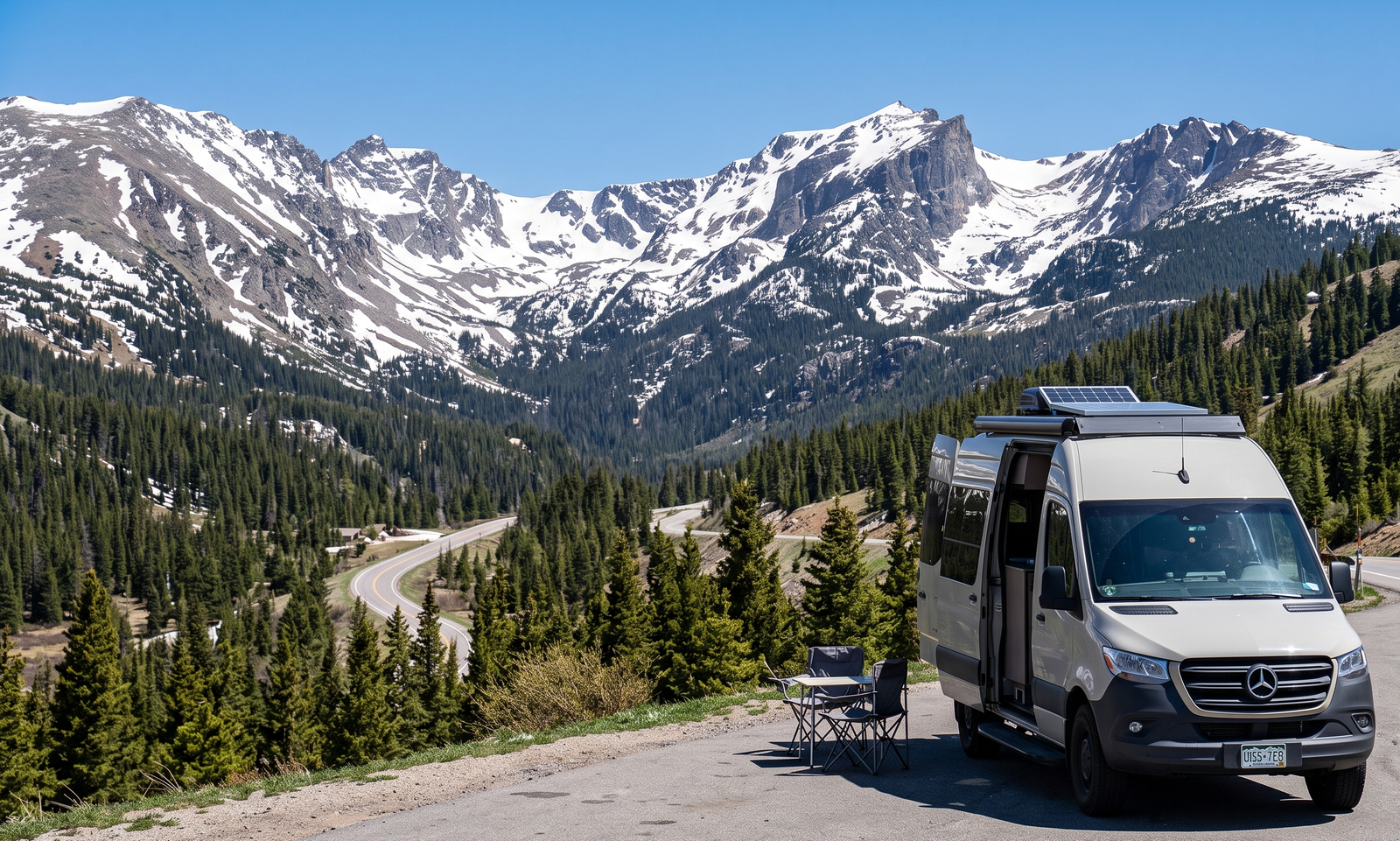
What You Need to Know Before You Go
Dispersed camping in Colorado is free camping on national forest and BLM land outside of developed campgrounds. Colorado has over 24 million acres of public land, including 11 national forests, and most of it allows dispersed camping for up to 14 days at a time. It is legal, it is spectacular, and in the popular corridors it is getting more regulated every year, so knowing the current rules matters more than it used to.
I will be straight with you about the trade off. You get alpine lakes, aspen groves, and 14er views for zero dollars a night. In exchange you deal with altitude, afternoon storms that arrive on a schedule, rough forest roads, and a growing number of designated site systems in the busiest areas. This guide covers all of it.
Is Dispersed Camping Legal in Colorado?
Yes. Dispersed camping is legal on most US Forest Service and BLM land in Colorado, subject to each district’s rules. The standard limit is 14 days in one location within a 30 day period, after which you must move, typically at least 3 miles in national forests, though some districts specify more.
The rules that apply nearly everywhere in the state:
- Camp only on National Forest or BLM land, never on private land or in Colorado State Parks (state parks do not allow dispersed camping)
- Use existing, previously used sites wherever possible
- Camp at least 100 feet from streams, lakes, and trails
- Park only on roads shown as open on the district’s Motor Vehicle Use Map, generally within 300 feet of the road
- Pack out all trash and follow local human waste rules
- Obey fire restrictions, which in Colorado can change weekly in summer
The big shift in recent years: heavy use corridors have converted from open dispersed camping to designated site systems. Around Buena Vista, Twin Lakes, parts of Crested Butte, and Rampart Range, you can now only camp in numbered, marked sites, still free in most cases, but first come first served and full by Friday afternoon in July. Always check the specific ranger district page before you commit to a plan.
The Best Dispersed Camping Areas in Colorado
These are the areas van campers return to season after season. All are reachable in a standard van in dry conditions unless noted.
| Area | Nearest Town | Elevation | What Makes It Special |
|---|---|---|---|
| Fourmile Recreation Area | Buena Vista | 8,000 to 9,500 ft | Collegiate Peaks views, designated free sites, close to town |
| Twin Lakes area | Leadville | 9,200 ft | Lakeside camping under Mount Elbert, designated sites |
| Washington Gulch and Slate River | Crested Butte | 9,500 to 10,500 ft | Wildflower capital of Colorado in July, designated sites |
| Kebler Pass | Crested Butte | 10,000 ft | One of the largest aspen groves on Earth, unreal in fall |
| Guanella Pass corridor | Georgetown | 10,000 to 11,600 ft | Closest serious alpine camping to Denver |
| Rampart Range Road | Colorado Springs | 8,000 to 9,000 ft | Huge network of sites, year round access at lower ends |
| San Juan National Forest | Durango, Silverton | 8,000 to 11,000 ft | The most dramatic mountains in the state |
| Gunnison National Forest | Gunnison | 8,000 to 10,000 ft | Quieter than the Front Range, endless forest roads |
| Grand Mesa | Grand Junction | 10,000 ft | The largest flat topped mountain in the world, 300+ lakes |
A pattern worth noticing: the closer to Denver, the more crowded and regulated. If you want the old style “pull off anywhere” experience, aim for the Gunnison and San Juan forests on the western side of the state.
Colorado’s Camping Season: When to Go
Altitude drives everything in Colorado. Many of the best areas sit above 9,000 feet, and their season is shorter than people expect.
| Month | Conditions at 9,000+ ft | Verdict |
|---|---|---|
| May | Snow still blocking many forest roads | Lower elevation only |
| June | Roads opening, mud season, mosquitoes near water | Good, check road status |
| July | Peak wildflowers, daily afternoon thunderstorms | Excellent, arrive Thursday for weekend spots |
| August | Warm days, monsoon storms, peak crowds | Excellent but busy |
| September | Golden aspens, cold nights, few bugs | The best month, full stop |
| October | First snows above 9,000 ft, roads start closing | Great early, risky late |
| November to April | High country inaccessible | Lower elevation and desert BLM only |
Two Colorado specific habits will save your trip. First, be off exposed ground by early afternoon in July and August, because thunderstorms arrive between 1 and 4 pm with impressive reliability and lightning above treeline is a genuine hazard. Second, expect nights in the 30s and 40s Fahrenheit even in July at high camps. A good heater or serious insulation is not a luxury here.
Altitude: The Thing Flatlanders Underestimate
If you are arriving from sea level, altitude will affect you and your van. Plan for both.
For you: headaches, poor sleep, and low energy are common for the first 2 to 3 nights above 8,000 feet. The fix is boring and effective: sleep your first night lower (Colorado Springs at 6,000 feet or Salida at 7,000 feet work well), drink far more water than usual, and go easy on alcohol the first two days.
For your van: naturally aspirated gas engines lose roughly 3 percent of their power per 1,000 feet of elevation. At a 10,000 foot pass, that is close to 30 percent gone, which is why turbocharged diesels like the Sprinter’s feel noticeably stronger in Colorado than gas vans do. Propane appliances and generators also run less efficiently up high. None of this is a dealbreaker, but budget more time for passes and more fuel than the map suggests.
Do You Need 4×4 for Colorado Dispersed Camping?
For most of the areas in the table above, no. Well maintained gravel forest roads make up the bulk of Colorado’s dispersed camping access, and 2WD vans handle them fine in dry weather. Where AWD or 4×4 earns its money is the last mile: the rutted spur roads to the quietest sites, wet clay after a storm, and shoulder season snow. If remote Colorado camping is a core part of your plans, an AWD Sprinter or AWD Transit is worth the premium. You can compare current Mercedes Benz builds and Ford Transit builds side by side to see what each platform’s AWD options actually cost.
One more Colorado note: several classic routes like Ophir Pass and the upper Alpine Loop are genuine 4×4 territory with clearance requirements that most camper vans, even AWD ones, should not attempt. Know the difference between a forest road and a jeep trail.
What Gear Matters Most in Colorado
Colorado dispersed camping is standard boondocking with three added pressures: cold nights, strong sun, and afternoon rain. If you are new to off grid camping generally, start with our full boondocking guide covering water, power, and waste systems. On top of that base, Colorado rewards:
A diesel or gasoline heater. July nights at 10,000 feet regularly hit the low 40s.
Real insulation. The same build that stays cool in Moab stays warm on Kebler Pass.
Bigger solar than you think. High altitude sun is intense and solar output is excellent here, so panels pay for themselves fast.
Rain strategy. An awning or a layout where you can cook inside makes daily storms a non event. Builds with indoor wet baths shine here, and you can browse vans with interior showers if that is on your list.
Bear awareness. Colorado is black bear country. Food stays inside the van, never in a tent or on a table overnight.
Colorado Dispersed Camping for Couples and Families
Colorado is arguably the best state in the country for a couple’s first extended van trip, because towns like Salida, Buena Vista, and Crested Butte put groceries, showers, and coffee within 30 minutes of genuinely wild camping. If you are still choosing a rig for two, browse camper vans built for couples to compare layouts that work for this kind of travel.
Families should look hard at pop top builds here. A pop top sleeps the kids upstairs while keeping the van short enough for tight forest road turnarounds, and the ventilation helps on warm valley nights. Current pop top van listings are here, and you can also filter directly for camper vans that seat and sleep a family of 4.
Frequently Asked Questions
How long can you camp for free in Colorado?
Up to 14 days in one spot within a 30 day period on most national forest and BLM land, then you must move on. Some districts post shorter limits, so check the local ranger district page.
Can you have a campfire while dispersed camping in Colorado?
Only when no fire restrictions are in effect, and restrictions are common from June through October. Check the county and forest fire restriction pages the day you arrive, not the week before. Violations carry fines that start in the hundreds of dollars and climb fast.
Is dispersed camping in Colorado safe in a van?
Yes, with normal precautions. The realistic hazards are weather, altitude, and road conditions rather than people. Watch afternoon storm buildup, carry traction boards, and do not push up wet clay roads.
Where can I dispersed camp near Denver?
The Guanella Pass corridor near Georgetown and Rampart Range Road near Colorado Springs are the closest major areas. Both now use designated site systems in their busiest sections and fill up on summer weekends, so arrive Thursday or aim for weekdays.
Do I need a permit for dispersed camping in Colorado?
Generally no. Most dispersed camping is free without a permit. A small number of high demand zones have moved to permit or reservation systems, which is exactly why checking the specific district page before each trip is the habit to build.
Final Thoughts
Colorado gives you more free, legal, jaw dropping camping per mile driven than any state in the lower 48. The price of entry is respecting the rules that keep it open: the 14 day limit, fire restrictions, designated sites where posted, and leaving every spot cleaner than you found it.
If your van is not quite Colorado ready, whether that means drivetrain, insulation, or power capacity, you can browse verified camper van listings and filter by the specs that matter for high country travel.