
 souvik
The Best Small Camper Vans in 2026: Compact Rigs That Still Do Everything
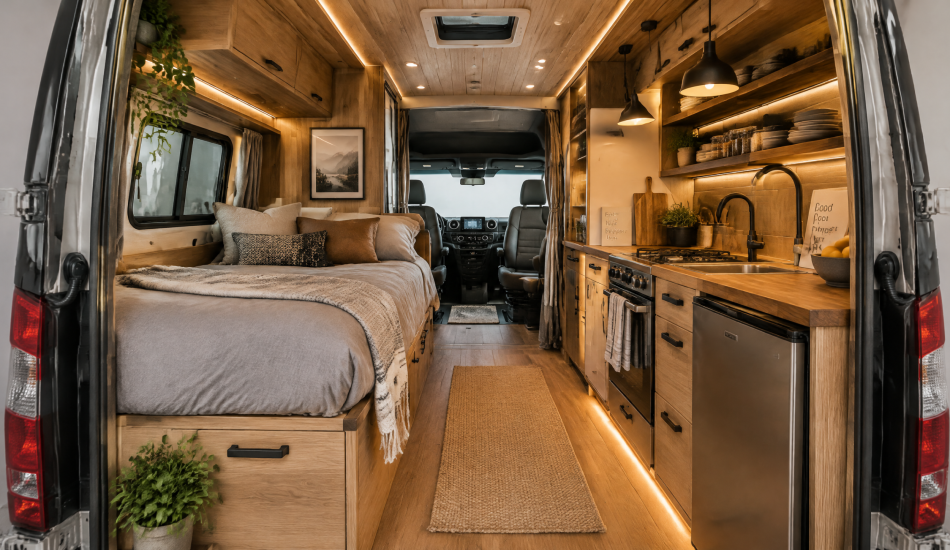
The best small camper vans prove a point the RV industry spent decades ignoring: most people don’t need 24 feet of vehicle to travel well. A small camper van — anything under roughly 20 feet — fits a standard parking space, returns real-world fuel economy a big rig can’t touch, blends into a city street, and still packs a bed, a kitchen, and in several 2026 models, a genuine bathroom.
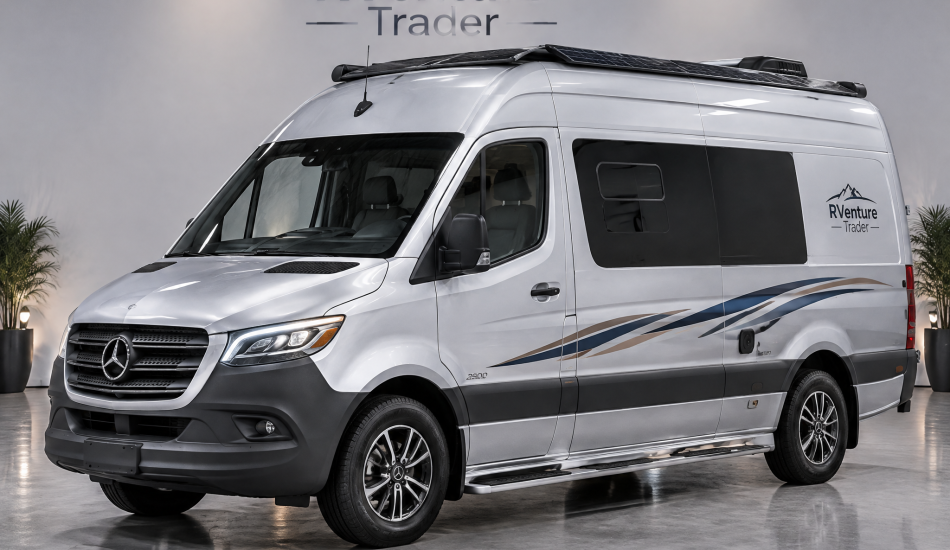
This guide ranks the best small camper vans you can buy in 2026, compares them spec-for-spec, explains what you give up by going compact, and settles the camper van vs small travel trailer debate with real numbers. When you’re ready to shop, the short wheelbase van listings on RVenture Trader cover this entire category from verified sellers.
What Counts as a Small Camper Van?
For this guide, a small camper van is any self-contained camper under 20 feet long and under 7 feet tall (or with a pop-up roof that keeps a low profile while driving). In practice that means three vehicle families:
- Compact van conversions — Nissan NV200, Ram ProMaster City, Mercedes Metris: the smallest true campers, 15–17 feet
- Short wheelbase full-size vans — ProMaster 136″, Transit 130″, Sprinter 144″: full standing height in a footprint barely longer than a pickup truck
- Pop-top small vans — low-roof compacts that gain standing room and a second bed when parked, covered in depth in our pop top camper van guide
Why Buyers Are Going Small in 2026
- Park anywhere: a 17-foot van fits a standard parking space, a parking garage, and your driveway — a 24-foot rig fits none of them
- Real fuel economy: 18–25 MPG in compacts vs 12–16 MPG in long-wheelbase builds — that’s $1,500–$3,000 saved per 20,000 miles of travel
- City stealth: a low-roof small camper van reads as a regular vehicle, which is the entire premise of stealth camping in urban areas
- Lower entry price: the category starts around $35,000 used — half the cost of a mid-size professional build
- Easier to drive: car-like handling, no special skills, no white-knuckle gas stations
The Best Small Camper Vans in 2026, Ranked
1. Winnebago Solis Pocket — Best Overall Small Camper Van
Built on the ProMaster 136″, the Solis Pocket is the shortest full-featured Class B on the market at about 17’10”. You get a real galley, a flexible lounge/bed layout, and a wet bath option — a factory-backed small camper van with bathroom under 18 feet, which almost nothing else offers. Typical 2026 pricing: low-to-mid $100Ks new, $70,000–$90,000 lightly used.
2. Thor Scope — Best Budget Factory Small Camper
Also ProMaster 136″-based, the Scope undercuts most of the category on price while keeping a wet bath and a permanent bed. Fit and finish is simpler than premium brands — which is exactly why it’s the value pick for first-time buyers testing whether van life fits.
3. Pleasure-Way Tofino — Best Pop-Top Small Camper Van
A ProMaster 136″ with a power pop-top: low-profile for garages and stealth, then a second sleeping level at camp. Premium Canadian build quality with a price to match — but resale on Pleasure-Way rigs stays famously strong.
4. Mercedes Metris Pop-Top Conversions — Best for Daily Driving
Metris-based weekender conversions (multiple builders offer them) are the closest thing America gets to the classic VW camper: garage-height, genuinely car-like to drive, seats five for the school run, sleeps four at the campground with the top up. No bathroom — this is the trade for the size.
5. Nissan NV200 Conversions — Smallest Camper Van That Works
At roughly 15’7″, NV200-based builds like the Recon Envy and Free Bird are the smallest camper van option with a real bed and galley. Think of it as a hard-sided tent with 24 MPG — perfect as a weekend rig or a first step into the lifestyle, and typically the cheapest entry point in the category.
6. Sprinter 144″ / Transit 130″ Custom Builds — Best Small Van for Full-Time Living
The short-wheelbase versions of the big two give you full standing height, serious battery capacity, and a build quality ceiling as high as your budget — in a footprint that still parks downtown. If you want small outside but uncompromised inside, this is the class; browse current Sprinter builds and Transit builds to compare layouts.

Small Camper Van Comparison Table (2026)
| Model / Class | Length | Sleeps | Bathroom | Typical Price (New / Used) | Best For |
|---|---|---|---|---|---|
| Winnebago Solis Pocket | 17’10” | 2–3 | Wet bath (option) | $100K–$120K / $70K–$90K | Best all-rounder |
| Thor Scope | 17’10” | 2 | Wet bath | $90K–$110K / $60K–$80K | Budget factory rig |
| Pleasure-Way Tofino | 17’10” | 4 (pop-top) | No | $100K–$115K / $75K–$95K | Pop-top quality pick |
| Metris pop-top conversions | 16’2″ | 4 (pop-top) | No | $80K–$110K / $50K–$80K | Daily driver + camper |
| NV200 conversions | 15’7″ | 2 | No | $45K–$65K / $30K–$50K | Smallest & cheapest |
| Sprinter 144″ / Transit 130″ customs | 19’5″ / 19’8″ | 2–4 | Varies by build | $90K–$160K / $60K–$120K | Full-time small living |
Prices are 2026 market ranges — cross-check any specific listing against our camper van cost guide before negotiating, and run payments through the loan calculator.
Small Camper Van vs Small Travel Trailer: Which One Wins?
Buyers comparing a camper van with a small travel trailer are really choosing between two philosophies — drive your camper, or tow it. Here’s the honest breakdown:
| Factor | Small Camper Van | Small Travel Trailer |
|---|---|---|
| Upfront cost | $45K–$120K (vehicle included) | $15K–$40K + tow vehicle you may already own |
| Daily usability | One vehicle does everything — errands, commute, camp | Drop the trailer at camp, explore in the car |
| Parking & stealth | Fits anywhere, urban-overnight capable | Two parking spaces, zero stealth |
| Interior space per dollar | Lower — you pay for the drivetrain | Higher — all budget goes to living space |
| Spontaneity | Park, sleep, leave in 30 seconds | Hitching, backing, leveling every move |
The short answer: if you already own a capable tow vehicle and camp at established sites, the trailer is cheaper per square foot. If you want one vehicle, spontaneous travel, city overnights, or any form of stealth — the small camper van wins, and it isn’t close.
What You Give Up by Going Small
Honesty matters more than hype in this category:
- Bathroom compromises: under 18 feet, a bathroom is either a wet bath, a portable toilet, or absent — our camper van bathroom guide explains which layouts actually age well
- Storage limits: gear for two, not a garage full of toys
- Couple-sized, not family-sized: compacts suit one or two people; families should read our family camper van guide before falling for a pop-top’s sleeping count
- Smaller power systems: less roof means less solar — fine for lights and a fridge, tight for heavy off-grid work
For two travelers, though, a well-designed small van is usually the sweet spot — the layouts in our camper vans for couples guide show why.
Buying a Small Camper Van in 2026: New vs Used
Small camper vans hold value better than almost any other RV class — demand outstrips supply every year. That means used discounts are real but modest: expect 15–30% off original price for a 2–4 year old rig, not the 40% you’d see on a big motorhome. Inspect any used compact exactly as you would a full-size build — water intrusion and battery age don’t care about wheelbase. Take our used camper van inspection checklist to every viewing, and browse current small camper vans for sale alongside the wider inventory to calibrate pricing.
Frequently Asked Questions
What is the best small camper van in 2026?
The Winnebago Solis Pocket is the best overall small camper van in 2026 — a sub-18-foot rig with a real galley, flexible sleeping layout, and an optional wet bath. The Thor Scope wins on budget, and short-wheelbase Sprinter or Transit customs win for full-time living.
What is the smallest camper van with a bathroom?
The Winnebago Solis Pocket and Thor Scope, both about 17’10” on the ProMaster 136″ chassis, are the smallest factory camper vans with a genuine wet bath. Anything shorter relies on a portable toilet and outdoor shower setup.
Are small camper vans cheaper than regular camper vans?
Yes — the category starts around $30,000–$50,000 used for compact conversions, versus $60,000–$140,000 for mid-size and full-size professional builds. Fuel savings of 5–10 MPG compound the difference over every mile of ownership.
Can you live in a small camper van full-time?
Solo travelers and minimalist couples do it successfully, especially in short-wheelbase Sprinter and Transit builds with full standing height. Under 17 feet, most owners treat the van as a weekend and travel rig rather than a full-time home.
Is a small camper van better than a small travel trailer?
For one-vehicle simplicity, city overnights, and spontaneous travel, yes. A small travel trailer wins on interior space per dollar if you already own a tow vehicle and stick to established campgrounds.
Do small camper vans hold their value?
Better than nearly any other RV class — expect only 15–30% depreciation on a 2–4 year old compact, because demand for parkable, fuel-efficient rigs consistently outruns supply.
Ready to go compact? Every rig on RVenture Trader is listed by a verified seller with full specs and upfront pricing. Start with the short wheelbase vans — the home of every small camper van on the platform — or browse pop top vans if low-profile-plus-headroom is your priority.