
 souvik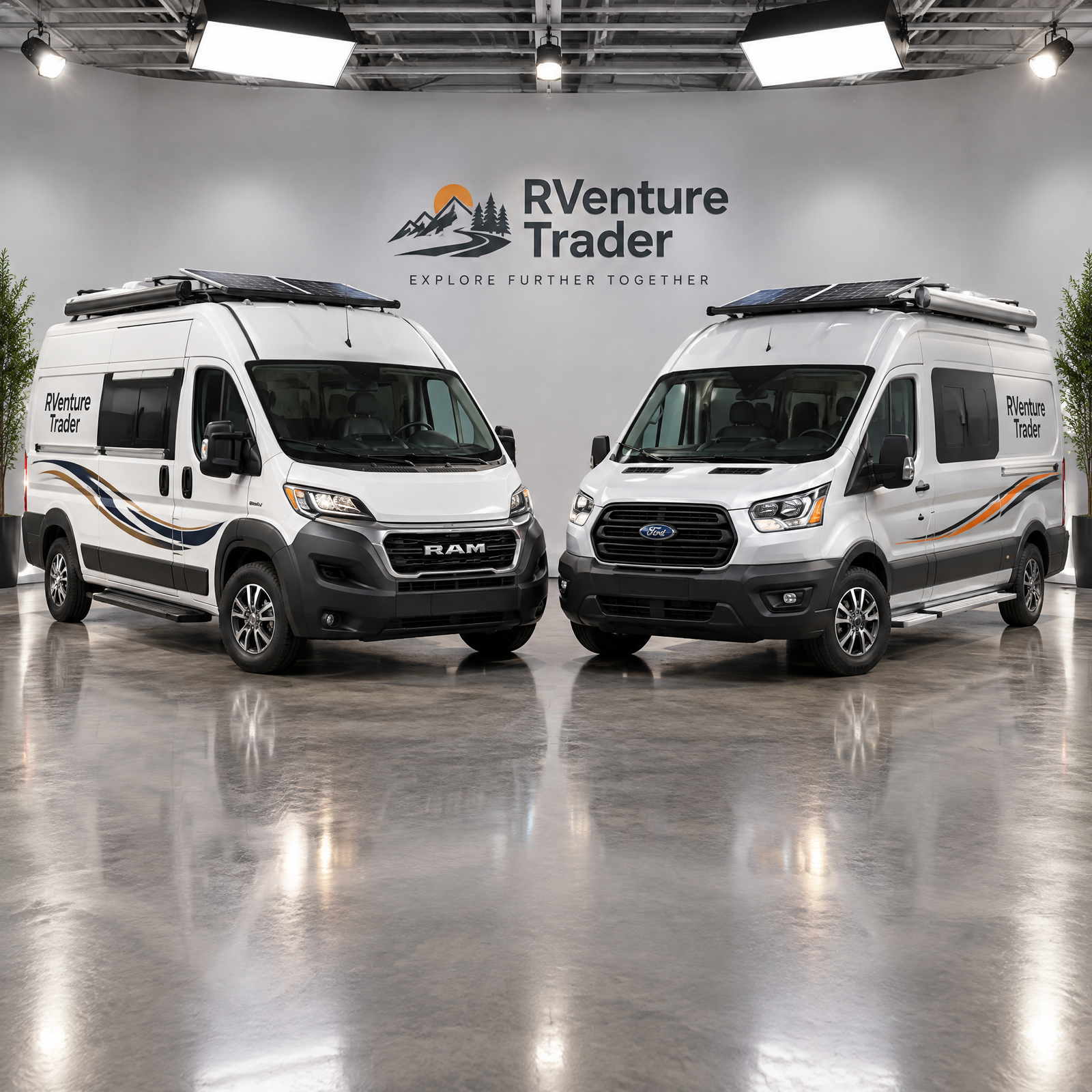
Best Camper Vans for Sale in 2026: The Complete Buyer’s Guide
Camper van sales have climbed steadily for over a decade, and the pace hasn’t slowed. What started as a niche lifestyle choice picked up by a handful of Instagram-famous vanlifers has turned into a mainstream category, with more buyers every year choosing a van over a traditional towable RV. If you’re shopping for camper vans for sale right now, you’re entering a crowded, fast-moving market — which makes it easy to get overwhelmed by options, price ranges, and conflicting advice. This guide walks through exactly how to narrow down the right van for your situation, what separates a good listing from a risky one, and what to check before you hand over a deposit.Quick answer: The “best” camper van depends entirely on who’s riding in it and how you’ll use it. A couple who wants weekend trips needs a very different van than a family of four planning a summer-long road trip, or a remote worker who needs a mobile office. Start with occupancy and use case, then narrow by base chassis (Sprinter, Transit, ProMaster) and budget — not the other way around.
What Actually Counts as a “Camper Van”?
A camper van — sometimes classified as a Class B RV — is a self-contained living space built into a standard cargo van shell, as opposed to a towable trailer or a bus-sized motorhome. It typically includes a bed, some form of kitchen setup, storage, and often a wet bath or portable toilet, all packed into a footprint you can still parallel park. That compactness is exactly why demand has grown so quickly: camper vans have gone from a fringe lifestyle choice to a mainstream RV category over the past decade, driven by buyers who want the flexibility of a normal-sized vehicle without giving up the ability to sleep, cook, and work on the road.How to Choose the Right Camper Van for You
Before you fall in love with a specific build or floor plan, answer three questions: who’s traveling with you, what you’ll be doing in the van day to day, and what you’re realistically willing to spend. These three answers eliminate more options than any spec sheet will.By Group Size
Sleeping capacity drives almost every other decision in a camper van — layout, storage, water tank size, and even which base chassis makes sense.- Solo travelers and couples generally do best with a shorter wheelbase van, since it’s easier to park, easier on fuel, and still has room for a proper bed and small kitchen. Browse camper vans built for 2 people to see layouts sized for this group.
- Families need more sleeping and storage space, usually a dinette that converts into a second bed, and enough headroom for kids to move around on rainy days. Take a look at camper vans set up for a family of 4 before deciding on van size.
By Use Case
Not everyone shopping for a camper van is planning full-time travel. If you’re combining remote work with time on the road, layout priorities shift — you’ll want a stable work surface, reliable power (solar plus a decent battery bank), and good connectivity rather than maximum sleeping capacity. Our mobile office van listings are built around exactly that use case.By Budget and Finish Level
Camper van prices span an enormous range — a basic DIY conversion can run under $40,000, while a professionally built luxury van with premium cabinetry, off-grid power, and high-end finishes can exceed $200,000. If you’re leaning toward the higher end, our luxury camper van collection is a good starting point to calibrate expectations on price versus features.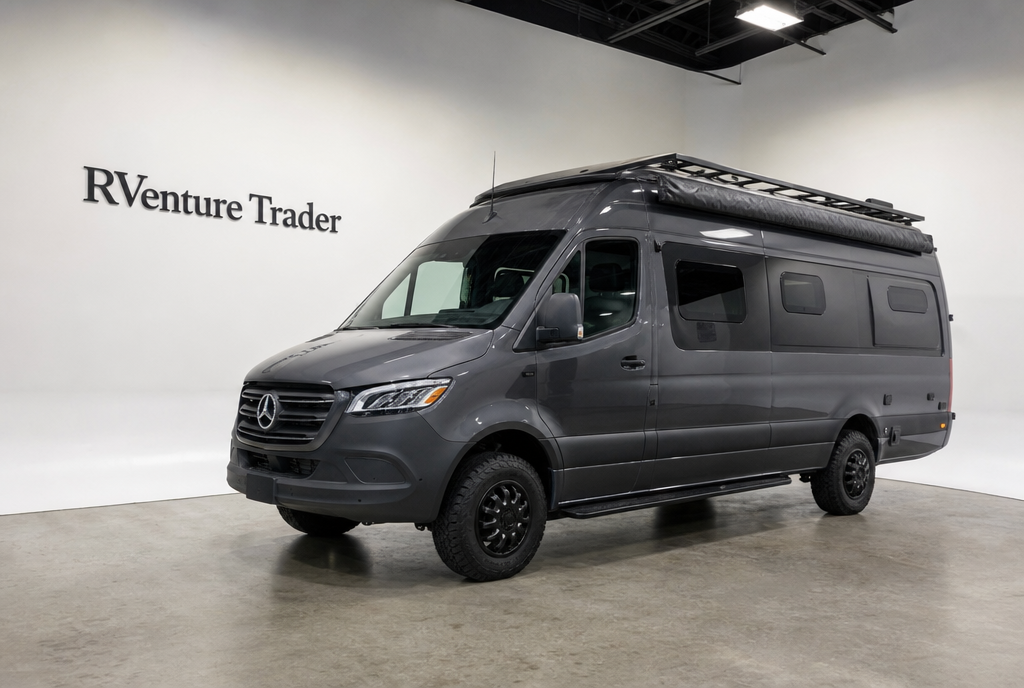
New vs. Used Camper Vans for Sale
Once you know the layout and size you need, the next decision is whether to buy new, buy a used conversion, or buy a bare cargo van and convert it yourself. Each path has a very different cost and risk profile.| Option | Typical Cost | Best For | Watch Out For |
|---|---|---|---|
| New, professionally converted | $120,000 – $250,000+ | Buyers who want warranty coverage and zero DIY risk | Long build waitlists at popular converters |
| Used, professionally converted | $60,000 – $180,000 | Buyers who want a finished build without new-build pricing | Verify who did the conversion and get maintenance records |
| Used DIY conversion | $25,000 – $80,000 | Budget-conscious buyers comfortable inspecting non-standard electrical/plumbing work | Inconsistent build quality; always get a mechanic’s inspection |
| Bare cargo van + convert yourself | $35,000 – $60,000 (van) + build cost | Hands-on buyers who want full control over layout | Time investment; resale value is unpredictable |
Sprinter, Transit, or ProMaster? A Quick Note on Base Chassis
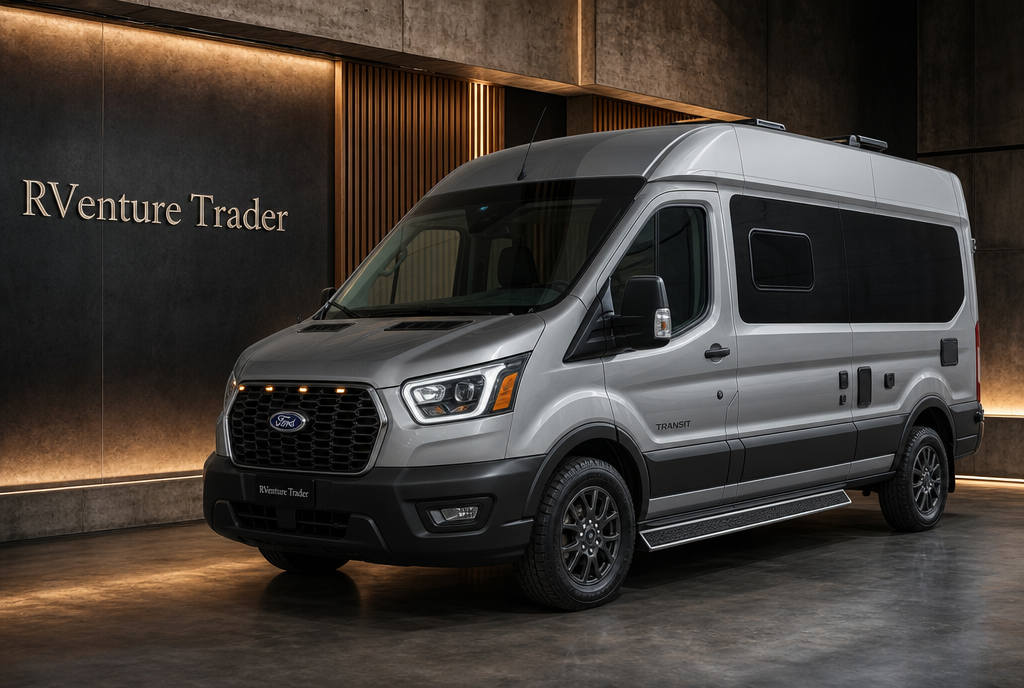
Most camper vans on the market today are built on one of three chassis: the Mercedes-Benz Sprinter, the Ford Transit, or the Ram ProMaster. Each has real tradeoffs in cost, dealer network size, and ride height, and it’s worth understanding the differences before you commit to a build. Browse Sprinter camper vans and Transit camper vans side by side, or see our full breakdown of Sprinter vs. Transit if you’re trying to decide between the two.Don’t skip the mechanical inspection just because the interior looks finished. A beautifully built-out van can still be sitting on a chassis with deferred maintenance. Always get a pre-purchase inspection from a mechanic familiar with the base chassis — not just the camper conversion — before you finalize a purchase.
What to Check Before You Buy
- Chassis mileage and maintenance history — request full service records, not just a summary.
- Who built the conversion — a named, reputable converter (or a documented DIY build with clear photos of the process) is worth more than an unclear provenance.
- Electrical system — ask for the battery bank size, solar wattage, and inverter capacity. Undersized systems are one of the most common complaints from new van owners.
- Water and waste systems — check for leaks, tank capacity, and how waste is handled (portable cassette vs. plumbed black tank).
- Insulation and climate control — ask what insulation was used and whether there’s a heater rated for the climates you’ll actually travel in.
- Title and registration — confirm the van is titled correctly (some states require specific paperwork for owner-built RVs).
Have a Van of Your Own to Sell or Rent Out?
If you’re upgrading, downsizing, or simply ready to pass your build on to the next owner, you can list it on RVentureTrader for free — no listing fee, and no limit on how many vans you can post. Whether you’re a private seller with one van or a converter managing a whole fleet, your listing goes live in minutes.FAQ
What’s a realistic budget for a first camper van? Most first-time buyers land somewhere between $50,000 and $90,000 for a solid used conversion with a properly sized electrical system. It’s possible to spend less, but budget builds often need immediate upgrades to solar and insulation. Is a used camper van a good investment? Camper vans generally depreciate like any specialty vehicle, but well-maintained builds from reputable converters tend to hold value better than average DIY conversions, especially on in-demand chassis like the Sprinter. How many people can realistically live in a camper van? Comfortably, one to two adults for full-time travel, or up to four for shorter trips with the right layout — see our family-of-4 camper van options for examples built specifically for that. Do I need a special license to drive a camper van? No — the vast majority of camper vans stay under the weight threshold that requires a commercial license in the U.S. Always confirm the gross vehicle weight rating (GVWR) of a specific van if you’re unsure.Ready to start browsing? See the full camper vans for sale collection on RVentureTrader.