
 souvik
Mercedes Sprinter vs. Ford Transit Camper Van: Which Should You Buy?
Ask ten camper van owners which base chassis is better, and you’ll likely get ten different answers — because the honest answer is “it depends on how you’ll use it.” The Sprinter and Transit dominate the camper van conversion market for good reason: both are proven, widely supported platforms, but they solve for different priorities. This guide breaks down where each one actually wins, so you’re not choosing based on brand reputation alone.Quick answer: The Mercedes Sprinter generally wins on off-road capability (standard AWD on most trims), interior height, and resale value. The Ford Transit generally wins on upfront price, gas-engine simplicity, and dealer network size in the U.S. If you’re building for long-term full-time travel and off-grid capability, the Sprinter’s advantages tend to matter more. If you’re budget-conscious and want easy nationwide service, the Transit is hard to beat.
Sprinter vs. Transit: At a Glance
| Specification | Mercedes Sprinter | Ford Transit |
|---|---|---|
| Starting price (new cargo van) | ~$52,000 – $72,000 | ~$48,000 – $62,000 |
| Engine | 2.0L 4-cyl turbo diesel | 3.5L V6 gas (EcoBoost optional) |
| Drivetrain | AWD standard on most configurations | RWD standard, AWD optional |
| Wheelbase options | 144″, 170″, 170″ extended | 130″, 148″, 148″ extended |
| Max interior height (high roof) | ~75″ | ~78″ |
| Fuel economy (high roof, unladen) | 14–18 mpg (diesel) | 13–18 mpg (gas) |
| U.S. dealer network | ~380 locations | ~3,000+ locations |
Figures are approximate ranges based on current model-year pricing and vary by trim, options, and region.
Interior Space: Where Your Build Actually Lives
If you’re converting the van yourself or working with a builder, interior dimensions matter more than exterior badge. The Transit’s high-roof configuration typically edges out the Sprinter on standing height, which matters if anyone in your household is over six feet tall. The Sprinter’s longest wheelbase, on the other hand, offers more overall length for storage and layout flexibility. Neither van is dramatically bigger than the other — the difference comes down to whether your priority is headroom or floor length.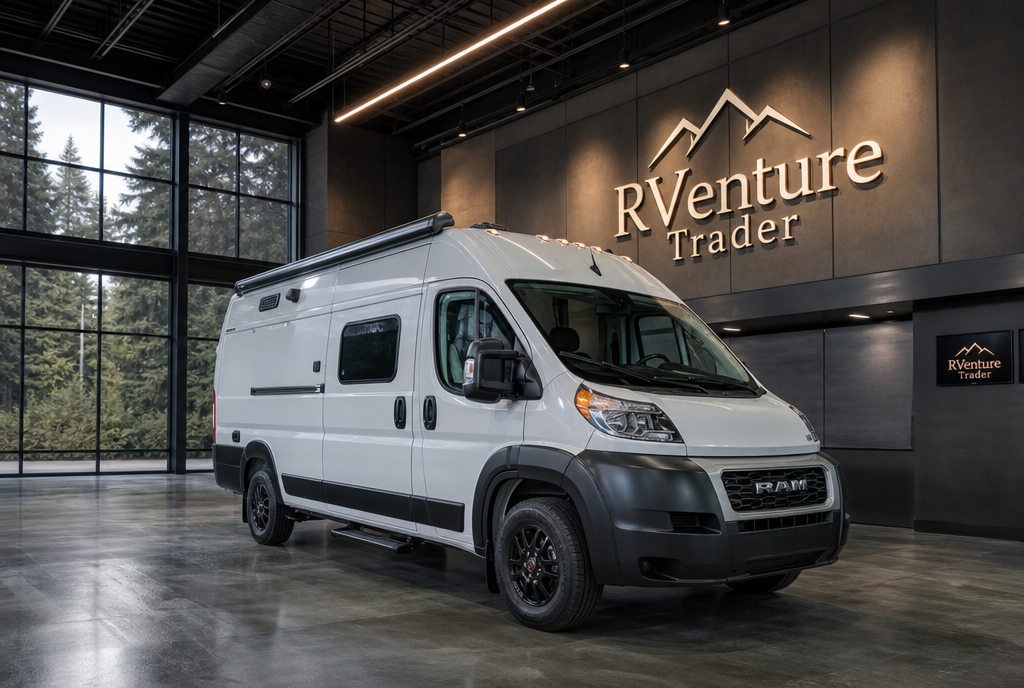
Drivetrain and Off-Road Capability
This is where the two platforms diverge most. The Sprinter offers all-wheel drive as standard on most trims, which makes a real difference if you’re planning to camp off pavement — forest roads, dispersed campsites, or winter travel. The Transit offers AWD only as an option and historically has had a more limited track record in serious off-road conditions, though Ford has continued to expand AWD availability across trims. If boondocking on rough terrain is a core part of your travel plans, this is the single biggest factor to weigh.Running Costs and Reliability
The Transit’s gas V6 is mechanically simpler and generally cheaper to service than the Sprinter’s diesel engine, and with a dealer network roughly eight times larger, finding service on the road is easier in most parts of the U.S. The Sprinter’s diesel engine, while more expensive to maintain, tends to deliver better long-distance fuel economy and has historically held resale value better — an important factor if you plan to sell or trade in your build down the line.Which Chassis Fits Which Build?
- Choose the Sprinter if: you want standard AWD, plan significant off-grid or off-pavement travel, or are building a high-end luxury conversion where resale value matters.
- Choose the Transit if: you want a lower upfront cost, prefer gas-engine simplicity, or want the reassurance of a large nationwide dealer network for repairs.
If budget isn’t the deciding factor, and you’re set on the highest-finish build available, it’s worth browsing luxury camper van builds on both chassis — many top converters offer nearly identical layouts on either base, so the chassis decision comes down purely to drivetrain and running-cost preference.
Official Specs, Straight from the Source
Listing pages and forums are a good starting point, but for exact current-year trims, options, and warranty terms, it’s worth checking the manufacturers directly: see the official Mercedes-Benz Sprinter model page and the official Ford Transit model page before finalizing any build decision, since trim availability and pricing shift year to year.Already Own a Sprinter or Transit Build You’re Ready to Sell?
Whether you’re switching chassis, upgrading your rig, or stepping away from van life altogether, you can list your van on RVentureTrader for free — no listing fee, and no cap on how many vans you post. It takes just a few minutes to get your listing live in front of serious buyers.FAQ
Which is cheaper to convert into a camper van, Sprinter or Transit? The base vehicle is usually slightly cheaper on the Transit, and conversion labor costs are roughly comparable across both platforms — the real cost difference shows up in long-term maintenance rather than the build itself. Does the Sprinter really hold its value better than the Transit? Historically, yes — Sprinter-based conversions have tended to retain a higher percentage of their value at resale, partly due to strong demand and the standard AWD drivetrain. Can I get AWD on a Ford Transit? Yes, Ford offers AWD as an option on the Transit, but it isn’t standard across trims the way it is on most Sprinter configurations. Is the Sprinter harder to get serviced in the U.S.? It can be in more rural areas — the Sprinter’s dealer network is a fraction of the size of Ford’s, so if you’re planning extended off-the-beaten-path travel, factor that into your decision.Browse current listings on both platforms in our full camper vans for sale collection.